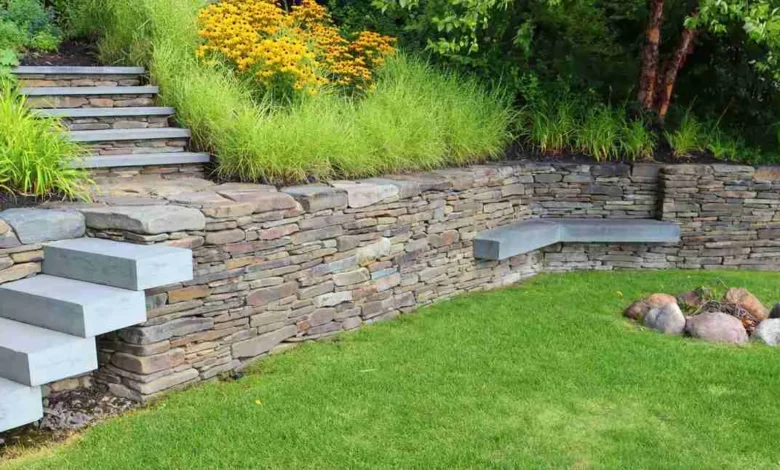
When it comes to enhancing outdoor spaces, few features blend functionality and beauty as well as rock retaining walls. These structures are more than just decorative—they provide soil stability, erosion control, and long-lasting durability while adding a natural aesthetic to any landscape.
But what makes rock retaining walls such a great choice? Let’s discuss the benefits, construction process, and essential tips for selecting the right materials to ensure your outdoor space stands out.
Why Choose a Rock Retaining Wall?
Many homeowners and landscapers prefer rock retaining walls because they offer both practical and aesthetic advantages. Here’s why they’re an excellent investment:
✔ Erosion Control – Prevents soil from washing away, especially in sloped landscapes.
✔ Durability – Rock walls withstand harsh weather conditions and last for decades.
✔ Low Maintenance – Unlike wooden or concrete walls, rocks require minimal upkeep.
✔ Aesthetic Appeal – Blends naturally with outdoor surroundings, creating a timeless look.
✔ Increases Property Value – Well-built retaining walls can add curb appeal and resale value.
💡 Did you know? A well-placed rock wall can improve drainage and protect foundations from water damage!
Rainier Rockeries is a trusted name when it comes to expertly crafted retaining walls in Seattle WA, ensuring both structural integrity and a seamless fit with your outdoor landscape.
Types of Rock Retaining Walls
Different styles and materials can be used to create stunning and effective rock retaining walls. Let’s explore the most popular options:
1. Dry-Stack Rock Walls
✔ Built without mortar, relying on carefully placed stones.
✔ Allows for natural water drainage, reducing pressure on the wall.
✔ Best for small to medium-height walls (under 3 feet).
💡 Ideal for gardens and decorative landscaping!
2. Mortared Rock Walls
✔ Uses cement or mortar to secure stones in place.
✔ Creates a stronger and more stable wall.
✔ Works well for taller retaining walls that need extra reinforcement.
💡 Perfect for supporting raised patios, terraces, or steep slopes!
3. Boulder Retaining Walls
✔ Made from large, heavy boulders.
✔ Extremely durable and can withstand heavy loads and pressure.
✔ Provides a natural and rustic appearance.
💡 Great for large-scale landscaping projects and rugged terrains!
Choosing the Right Rock for Your Retaining Wall
Selecting the right type of stone is crucial for both stability and design. Here are some popular rock choices:
✔ Limestone – Offers a clean, uniform look and is easy to stack.
✔ Sandstone – Natural color variations make it a favorite for decorative walls.
✔ Granite – One of the most durable and weather-resistant options.
✔ Fieldstone – Gives a rustic and organic feel, perfect for gardens.
✔ Basalt – Dark, volcanic rock that creates a bold and dramatic aesthetic.
💡 Pro tip: Consider your local climate—some stones hold up better in wet or freezing conditions.
How to Build a Rock Retaining Wall: Step-by-Step Guide
A well-built rock retaining wall requires careful planning and execution. Let’s go through the process:
Step 1: Planning & Excavation
✔ Determine the wall’s height and length.
✔ Dig a trench at least 6-12 inches deep for the foundation.
✔ Ensure the base is level and compacted for stability.
💡 The base is the most critical part—uneven ground can cause shifting over time!
Step 2: Laying the Foundation
✔ Use gravel or crushed stone as a base to improve drainage.
✔ If using mortar, apply a layer of concrete before stacking rocks.
✔ Start with the largest, flattest stones at the bottom.
💡 A strong foundation prevents walls from leaning or collapsing!
Step 3: Stacking the Rocks
✔ Stagger joints between stones for added strength.
✔ Slightly tilt stones backward to counteract soil pressure.
✔ Fill gaps with smaller stones or gravel to enhance stability.
💡 Dry-stacking? Choose interlocking stones for a secure fit!
Step 4: Adding Drainage
✔ Place a perforated drain pipe behind the wall to prevent water buildup.
✔ Use gravel backfill to promote proper drainage.
💡 Water buildup can weaken walls—good drainage is essential!
Step 5: Finishing Touches
✔ Check for any loose stones and make final adjustments.
✔ Add plants or decorative elements to blend the wall with the landscape.
💡 Native plants can help stabilize soil and enhance the wall’s appearance!
Common Mistakes to Avoid
Even experienced DIYers can make errors when building a rock retaining wall. Here are some key mistakes to avoid:
🚫 Skipping the Foundation – A weak base leads to shifting and collapse.
🚫 Poor Drainage Planning – Water buildup increases pressure and causes failure.
🚫 Using the Wrong Rocks – Rounded stones don’t stack well—flat rocks provide better stability.
🚫 Building Too Tall Without Reinforcement – Walls over 4 feet may require additional support or professional help.
💡 Avoiding these mistakes ensures a long-lasting, sturdy retaining wall!
How Rock Retaining Walls Enhance Landscaping Design
Beyond functionality, rock retaining walls can create stunning landscape features. Here are a few ways to integrate them into your outdoor space:
✔ Tiered Gardens – Create multiple levels for flower beds or vegetable gardens.
✔ Seating Areas – Build a natural stone bench into the wall for extra seating.
✔ Pathway Borders – Use rock walls to define walkways and add dimension.
✔ Water Features – Combine a retaining wall with a small waterfall or pond.
💡 Blending hardscaping with softscaping (plants, flowers, and trees) creates a visually appealing yard!
Final Thoughts: Are Rock Retaining Walls Right for Your Landscape?
Rock retaining walls are a natural, durable, and visually appealing solution for outdoor landscaping. Whether you need to prevent erosion, level out a sloped yard, or add decorative structure, a well-built rock wall can significantly enhance your outdoor space.
✔ Have you considered adding a rock retaining wall to your property?
✔ What design ideas or challenges do you have in mind?
Let’s discuss—your dream landscape could be just a rock wall away!
Acoustic facades are another feature that can enhance outdoor spaces. For more information on their benefits in Miami and Doral, check out The Power of Perforated Metal Panels and Acoustic Facades in Miami and Doral.