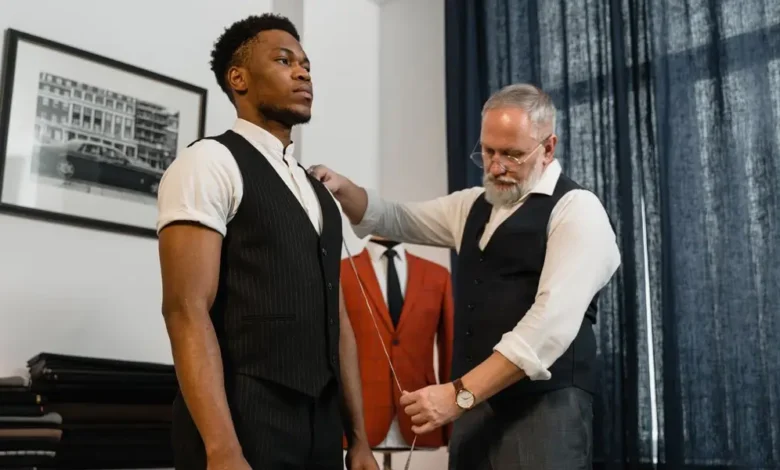
There’s nothing quite like the feeling of wearing a custom-tailored suit. Unlike off-the-rack options, a bespoke or made-to-measure suit is crafted specifically for your body, style, and preferences. But if you’ve never had one made before, you might be wondering—what exactly goes into the process?
Let’s discuss the step-by-step journey of getting a custom suit, from selecting fabrics to final fittings, so you know exactly what to expect.
Why Choose a Custom Tailored Suit?
Before diving into the process, let’s take a moment to understand why custom tailoring is worth the investment.
✔ Perfect Fit – No baggy sleeves, tight shoulders, or awkward pant lengths—just a flawless fit that complements your body.
✔ High-Quality Materials – Custom suits often use superior fabrics that last longer and feel better than mass-produced alternatives.
✔ Personalized Style – From lapel styles to button choices, a custom suit allows you to express your personal fashion sense.
✔ Better Durability – Because they’re made with precision and high-quality craftsmanship, tailored suits outlast most ready-to-wear options.
✔ Confidence Boost – There’s no denying the power of a well-fitted suit. When you look good, you feel good.
Now that you know why it’s worth the effort, let’s go through the tailoring process step by step.
Step 1: Choosing the Right Tailor
Your first and most important step is finding the right tailor. Not all tailors have the same level of expertise, so do your research!
What to Look for in a Tailor:
✔ Experience & Reputation – Look for a tailor with years of experience and positive client reviews.
✔ Customization Options – Some tailors offer full bespoke suits, while others provide made-to-measure options.
✔ Attention to Detail – A great tailor will take time to understand your body shape, style, and preferences.
✔ Fabric Selection – Ensure they offer a wide range of quality fabrics, from wool to cashmere to linen.
✔ Customer Service – The process should be collaborative, with the tailor guiding you through each decision.
Once you’ve found a tailor you trust, it’s time to begin designing your suit.
Step 2: Selecting Your Fabric and Style
This is where the fun begins! You’ll work with your tailor to select the fabric, color, and style that best suits your needs.
Fabric Choices:
✔ Wool – The most popular suit fabric, offering durability, breathability, and a polished look.
✔ Cotton – A lightweight and comfortable option, ideal for casual or summer suits.
✔ Linen – Perfect for hot climates, though it wrinkles more easily.
✔ Cashmere – Luxuriously soft but more expensive and delicate.
✔ Silk Blends – Adds a touch of sheen and elegance, often used for formal suits.
Style Decisions:
✔ Single-Breasted vs. Double-Breasted – Single-breasted suits are more versatile, while double-breasted suits offer a bold, classic look.
✔ Lapel Types – Choose between notch, peak, or shawl lapels, depending on your style preference.
✔ Buttons & Pockets – You can customize the number of buttons, pocket styles, and even inner lining details.
✔ Pant Fit – Decide between slim, regular, or relaxed-fit trousers.
Once the fabric and style are finalized, the real work begins—taking precise measurements.
Step 3: Getting Measured
A custom-tailored suit is all about the perfect fit, and that starts with accurate measurements.
A skilled tailor will take dozens of measurements to ensure your suit fits you flawlessly. These may include:
✔ Chest & Shoulders – Ensures the jacket fits without being too tight or loose.
✔ Waist & Hips – Determines how the jacket and pants will contour your body.
✔ Arm Length – Ensures proper sleeve length, so your cuffs peek out just the right amount.
✔ Leg Inseam & Outseam – Tailors the length of your trousers for a sharp, polished look.
Body Posture Adjustments
A great tailor doesn’t just measure size—they also consider your posture, stance, and body symmetry to make the suit fit naturally.
Once the measurements are complete, the tailor will begin crafting your suit, which can take anywhere from 2 to 8 weeks, depending on whether it’s made-to-measure or full bespoke.
Step 4: The First Fitting
After the suit is partially assembled, you’ll return for your first fitting. At this stage, the tailor will check:
✔ Shoulder & Chest Fit – Making sure the jacket isn’t too tight or too loose.
✔ Sleeve & Trouser Length – Adjusting any length discrepancies.
✔ Jacket Waist & Drape – Ensuring a clean, tapered silhouette.
If any changes are needed, the tailor will pin or mark adjustments, and you may need a second fitting before the final version is ready.
Step 5: The Final Fitting & Adjustments
After the first round of adjustments, your tailor will present the finished suit for a final fitting. This is where small refinements are made to ensure everything fits perfectly.
✔ Check the button stance and lapels
✔ Make sure the pants break just right
✔ Ensure the jacket sits well when buttoned
✔ Assess overall comfort and mobility
Once everything looks and feels right, your custom suit is complete!
Step 6: Care & Maintenance for Your Custom Suit
Now that you have a beautifully tailored suit, how do you keep it in top shape?
✔ Dry Clean Only When Necessary – Over-cleaning can wear out the fabric. Spot clean minor stains instead.
✔ Use a Wooden Hanger – Keeps the suit in shape and prevents wrinkles.
✔ Steam Instead of Ironing – Steam refreshes the fabric without damaging it.
✔ Store in a Suit Bag – Protects from dust and moth damage.
✔ Rotate Between Wears – Avoid wearing the same suit too frequently to prevent excessive wear.
A well-cared-for suit can last for years and remain a staple in your wardrobe.
FAQs About Custom Tailored Suits
1. How much does a custom suit cost?
Prices vary depending on fabric and craftsmanship. A made-to-measure suit can cost $500–$2,000, while full bespoke suits start at $2,000+.
2. How long does it take to get a custom suit?
Expect 4–8 weeks for a bespoke suit and 2–4 weeks for a made-to-measure option.
3. Should I buy a custom suit for my first suit?
If you want the best fit and long-term value, a custom suit is a smart investment, especially for weddings, business, or formal events.
4. What’s the difference between made-to-measure and bespoke?
✔ Made-to-Measure – Based on standard patterns, adjusted to fit your measurements.
✔ Bespoke – Fully custom, designed from scratch for a unique fit.
5. How many suits should a man own?
At least one navy or charcoal suit for formal events, with two or three additional suits for variety.
Final Thoughts: Elevate Your Wardrobe with a Custom Suit
Getting a custom-tailored suit is more than just buying clothing—it’s an investment in style, confidence, and comfort. Whether for business, weddings, or personal style, the perfect suit makes a lasting impression.
Are you ready to upgrade your wardrobe with a custom-fitted suit? What styles or colors are you considering for your next tailored piece? Let’s discuss!
Apart from that if you want to know about Low-Stress Jobs then please visit our Small Business Category.