What Is Considered Harassment at Work? U.S. Rules, Examples, and Employee Rights

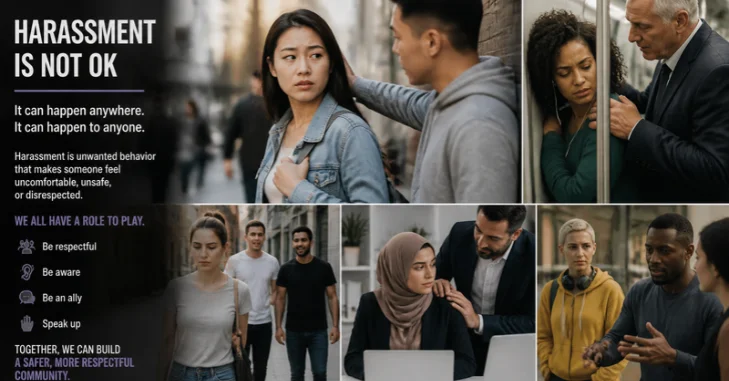
Harassment can include offensive comments, threats, unwanted sexual conduct, slurs, intimidation, or other unwelcome behavior. Yet unpleasant workplace behavior does not automatically violate federal harassment law. The circumstances, reason for the conduct, frequency, and severity all matter.
Direct answer: What is considered harassment under U.S. workplace law generally involves unwelcome conduct connected to a protected characteristic or protected activity. It may become unlawful when accepting the conduct affects employment or when severe or pervasive behavior creates an intimidating, hostile, or abusive working environment.
| Question | Key point |
|---|---|
| What behavior can qualify? | Slurs, threats, offensive jokes, unwanted touching, intimidation, mockery, sexual advances, and similar conduct |
| Does one incident count? | Sometimes, if the incident is sufficiently serious |
| Must harassment be sexual? | No. Harassment may concern several legally protected characteristics |
| Who can harass an employee? | Supervisors, coworkers, customers, contractors, and others may be responsible |
| Can harassment happen outside the office? | Yes, depending on its connection with employment |
| Is every rude comment illegal? | No. Federal law does not make ordinary workplace rudeness automatically unlawful |
| Can retaliation be harassment? | Retaliation for protected discrimination complaints or participation may violate federal law |
What Is Considered Harassment Under U.S. Federal Law?

What Is Considered Harassment? The U.S. Equal Employment Opportunity Commission describes harassment as a form of employment discrimination. Federal protections can apply when unwelcome conduct concerns a legally protected characteristic. The conduct must also meet the applicable legal standard for an unlawful employment practice.
Protected characteristics under federal employment laws include race, color, religion, sex, national origin, disability, age, and genetic information. Age protection under the ADEA generally begins at age 40. Federal protections also cover certain retaliation connected with discrimination complaints or proceedings.
A workplace policy can prohibit behavior before it reaches that legal threshold. Employers often adopt broader conduct rules to prevent problems from becoming more serious. That distinction helps explain why misconduct can violate company policy without creating a successful federal harassment claim.
When Does Harassment Become Unlawful?
Federal law generally looks beyond whether conduct was unpleasant or offensive. One route involves conduct connected with an employment condition or decision. Another involves behavior serious or frequent enough to create an abusive working environment.
The EEOC considers the full context rather than using one automatic formula. Relevant issues include the conduct’s nature, seriousness, frequency, and surrounding circumstances. A reasonable person’s view of the environment also matters.
This means two situations involving similar words may produce different legal conclusions. Repeated targeted insults can differ greatly from one ordinary disagreement between coworkers. Physical threats or assault can also carry far greater weight than minor workplace friction.
Seven Types of Conduct That May Raise Harassment Concerns
Harassment can appear through words, physical acts, images, electronic messages, or repeated behavior. The following examples illustrate conduct that may deserve closer attention. Whether conduct is unlawful still depends on its facts and legal connection.
1. Slurs and Derogatory Comments
Racial, ethnic, religious, sex-based, disability-related, or age-based slurs can support a harassment claim. Repeated derogatory jokes or insults may also contribute to a hostile environment. Context and frequency remain important when assessing the conduct.
An isolated rude comment will not always satisfy federal requirements. A particularly serious incident can receive different treatment, however. Employees should still consider reporting troubling behavior before it becomes more frequent.
2. Unwanted Sexual Conduct
Sexual harassment can involve unwanted sexual advances or requests for sexual favors. It can also involve other unwelcome verbal or physical conduct of a sexual nature. Sex-based harassment does not always need to involve sexual activity or attraction.
Offensive remarks about women or men can potentially constitute sex-based harassment. The victim and alleged harasser can also be of the same sex. Federal protection is therefore broader than the common stereotype of sexual harassment.
3. Threats, Intimidation, or Physical Conduct
Threatening someone because of a protected characteristic can raise serious legal concerns. Unwanted physical contact or assault may also support a harassment allegation. A severe physical incident may matter even without a long pattern of conduct.
Employees should not assume they must tolerate threats until several incidents occur. Workplace safety rules may create additional responsibilities apart from discrimination law. Serious threats should be addressed through appropriate workplace or emergency channels.
4. Offensive Images, Symbols, or Messages
Harassment is not limited to spoken comments. Racist cartoons, degrading pictures, hate symbols, pornography, or offensive messages can affect a working environment. Digital communication may therefore become part of a workplace harassment issue.
Email, workplace chat systems, text messages, and shared online spaces can preserve evidence. Employees and managers should treat electronic conduct as seriously as face-to-face behavior. Remote work does not remove ordinary workplace expectations.
5. Mockery Based on Disability, Accent, or Identity
Repeatedly mocking a disability can contribute to unlawful harassment. Similar concerns can arise from ridiculing someone’s accent or protected cultural identity. Federal guidance identifies these behaviors among examples that may fall within employment discrimination protections.
Good management practices should address such behavior before legal questions become the only concern. BusinessVert’s guidance on managing modern teams and workplace conflict stresses clear communication and early conflict resolution. Those practices can help organizations respond before problems spread.
6. Pressure Tied to Employment Benefits
Conduct becomes especially serious when employment benefits depend on accepting unwanted behavior. A supervisor might link cooperation to promotion, scheduling, continued employment, or another job benefit. Employment consequences can change the legal analysis significantly.
Employers should make reporting channels clear and accessible outside an employee’s direct chain of command. Strong HR systems can help companies receive and investigate complaints consistently. BusinessVert’s overview of key HR services for businesses explains why employee relations and compliance deserve structured attention.
7. Retaliatory Harassment
Federal law also protects certain employees from retaliation for protected EEO activity. Protection can apply after reporting discrimination, participating in an investigation, or reasonably opposing discriminatory conduct. Harassing treatment motivated by that protected activity may create a separate legal issue.
Retaliation can discourage employees from using complaint systems. Employers should therefore separate complaint handling from punishment or personal resentment. Managers should document legitimate employment decisions when a worker has recently raised a discrimination concern.
What Usually Is Not Illegal Harassment?
Not every bad interaction qualifies as unlawful harassment under federal employment law. Petty slights, ordinary annoyances, and isolated incidents usually do not meet the federal standard. An isolated incident can still matter when it is especially serious.
A difficult supervisor is not automatically committing illegal harassment. Personality conflicts and ordinary criticism also fall outside federal EEO law without the required discriminatory connection. Unfair management can still violate internal policies or other laws.
Poor leadership can create business problems even when federal harassment law does not apply. BusinessVert discusses several management behaviors in its guide to poor leadership qualities and workplace performance. Employers should not wait for misconduct to become legally actionable before correcting harmful workplace practices.
Does Harassment Have to Happen Inside the Workplace?
Harassment does not necessarily need to happen at an employee’s normal work location. Conduct at conferences, business travel, work events, or other employment-related settings may matter. Electronic communications outside normal hours may also become relevant to the workplace environment.
The key issue is often the connection between the conduct and employment. A manager’s behavior at an off-site business event can still affect an employee’s working conditions. Employers should make policies broad enough to cover work-related interactions outside the office.
Remote and hybrid arrangements make this point increasingly practical. Workplace relationships now extend through video calls, chats, email, and digital collaboration systems. BusinessVert’s discussion of RTO policies and return-to-office workplace culture shows how work settings continue changing.
Who Can Be Responsible for Workplace Harassment?
A harasser does not need to be the employee’s direct supervisor. The person can be another manager, a coworker, or someone outside the workforce. Customers, clients, contractors, and other non-employees can create harassment issues in some circumstances.
Employer liability depends partly on who engaged in the misconduct and what the employer knew. Supervisor harassment involving a tangible employment action can create direct employer liability. Different rules can apply when coworkers or non-employees are involved.
For coworker or controlled non-employee conduct, an employer’s response can become important. The EEOC considers whether the employer knew or should have known about harassment. Failure to take prompt corrective action can affect potential liability.
What Should an Employee Do About Harassment?
Employees should review their employer’s anti-harassment and complaint policies first. Reporting concerns promptly can help management investigate while evidence remains available. Keep copies of relevant messages, dates, names, witnesses, and written complaints.
An employee may also clearly communicate that conduct is unwelcome when doing so feels safe. Federal guidance encourages early reporting to management before behavior escalates. Serious threats or physical danger can require more immediate safety measures.
Internal reporting does not automatically extend government filing deadlines. Employees considering legal action should pay attention to applicable federal, state, and local deadlines. Individual circumstances can justify speaking with an employment attorney.
How Long Do You Have to File an EEOC Charge?
For many private-sector federal discrimination claims, the general EEOC filing period is 180 calendar days. That period can extend to 300 days where qualifying state or local protections apply. Different rules apply to federal employees and certain age discrimination situations.
For ongoing harassment, the EEOC generally measures the deadline from the last incident forming part of that harassment. Earlier related incidents may still be examined for timely conduct. An internal complaint process generally does not stop the EEOC filing clock.
Federal employees usually follow a different EEO complaint process. They generally must contact an agency EEO counselor within 45 days. Anyone facing a possible deadline should verify the rules applying to their specific employment situation.
Why State and Local Harassment Laws Matter
Federal law is only one part of U.S. workplace protection. States and municipalities may provide different or broader protections. Some may also cover employers that fall below federal employee-count thresholds.
Federal coverage itself varies by statute. Title VII and the ADA generally cover employers with at least 15 employees. The ADEA generally applies to employers with at least 20 employees.
Because these rules differ, a federal analysis cannot answer every workplace dispute. Employees and businesses should check laws where the employee works. Qualified legal counsel can interpret those rules for a particular case.
How Employers Can Reduce Harassment Risks
Employers should maintain a clear anti-harassment policy that explains prohibited conduct. Workers should know several ways to make a complaint. Managers should also understand their responsibility to escalate reports instead of handling serious complaints informally.
Complaints should receive a timely and impartial response. Employers should document investigations, preserve evidence, and take appropriate corrective measures. The EEOC recommends preventive policies, effective complaint processes, training, and prompt action.
Prevention also depends on daily management habits. Leaders should address degrading jokes, intimidation, or repeated disrespect before patterns deepen. A workplace does not benefit from waiting until questionable behavior meets a courtroom standard.
The Bottom Line
Workplace harassment is not defined simply by whether conduct feels rude or unfair. Federal law focuses on unwelcome conduct tied to protected characteristics or protected activity. Severity, frequency, employment consequences, and the total circumstances shape the legal analysis.
Employees should document concerning conduct and use appropriate reporting channels promptly. Employers should investigate complaints and address harmful behavior before it escalates. State and local rules should also be checked because protections can extend beyond federal law.
Frequently Asked Questions
What Is Considered Harassment if It Happens Only Once?
A single incident generally will not create unlawful federal harassment unless it is sufficiently serious. Physical assault or another extreme incident can receive greater legal weight. Employees can still report one incident under their company’s policies.
Is Yelling at an Employee Harassment?
Yelling alone does not automatically violate federal anti-discrimination law. The reason, words, frequency, severity, and surrounding context can change the analysis. Conduct tied to race, sex, disability, or another protected basis raises different concerns.
Is Bullying the Same as Illegal Harassment?
Workplace bullying and illegal harassment are not always the same. Federal EEO law generally requires the necessary connection with a protected characteristic or protected activity. Bullying may still violate workplace policies or other applicable laws.
Can a Customer Harass an Employee?
Yes, harassment concerns can involve customers or other non-employees. Employer responsibility can depend on control, knowledge, and the response to reported conduct. Companies should therefore provide reporting routes for customer misconduct.
Can Men Be Victims of Sexual Harassment?
Yes. Federal sex-discrimination protections are not limited to women. The alleged victim and harasser can also be the same sex.
Can Harassment Happen Through Text Messages or Social Media?
Electronic communications can contribute to a workplace harassment claim. Their relevance depends on content, context, frequency, and connection with employment. Employees should preserve relevant messages rather than deleting potential evidence.