You might be feeling the same tension many pet owners feel. You want great care for your animal, but you also want to trust the people giving that care, understand what is happening, and feel comfortable coming back when life gets busy or something goes wrong. That is the difference between a one-time visit and a lasting bond. Strong relationships do not happen by accident. They are built through clear communication, steady follow-through, and a real sense that your pet is known, not just scheduled. If you are wondering how animal hospitals build long-term client relationships, the short answer is simple. At Brewerton Veterinary Clinic, they earn trust over time in small, consistent ways.
When that trust is missing, even routine care can feel stressful. A vaccine visit turns into confusion about follow-up. A treatment plan feels harder to accept because no one explained the why behind it. And when costs come up, uncertainty can create distance fast. Because of this, many practices are asking a deeper question. What keeps clients connected for years, not just through one appointment?
Why do some animal hospitals keep clients for years while others lose them after one visit?
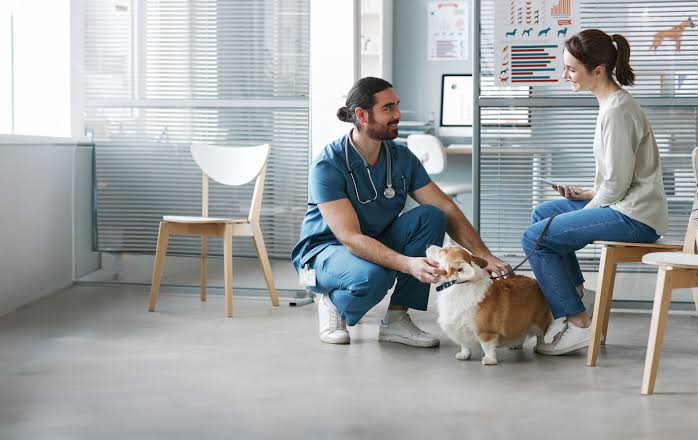
Most long-term relationships in veterinary care begin with one thing. People feel heard. That sounds simple, but it is often where trust is either built or lost. If a client feels rushed, judged, or left out of decisions, they may not return, even if the medical care was sound. On the other hand, when a hospital listens closely, explains options in plain language, and respects the bond between person and pet, loyalty grows.
This matters because veterinary care is not only clinical. It is emotional and financial too. A family may be balancing work, children, transport, and cost concerns, all while worrying about a sick pet. In that moment, the hospital that communicates with patience stands out. This is one reason many veterinary hospitals focus on relationship-centered care rather than only treatment-centered care.
Research supports that approach. A study indexed on PubMed highlights how communication and the veterinary client relationship shape care experiences and outcomes. You can read more in this published veterinary communication study. Good medicine matters, of course, but good communication helps people follow through on that medicine.
What are the 5 ways animal hospitals build long-term client relationships?
First, they communicate clearly and early. That means setting expectations before the visit, explaining findings during the exam, and checking in after care. Clients are more likely to return when they know what happened and what comes next.
Second, they create continuity. Seeing familiar faces matters. When the same doctor, technician, or front desk team remembers your pet’s history, the experience feels less transactional and more personal. A simple note about a pet’s behavior, diet, or past reaction can show real attention.
Third, they make room for shared decisions. Not every client can choose the most advanced option right away. Strong animal hospitals explain choices honestly, including benefits, limits, and likely costs, so clients can make informed decisions without shame.
Fourth, they use technology to support connection, not replace it. Reminder systems, online refill requests, and follow-up messages help clients stay engaged. New tools are also expanding how education and support are delivered. For example, Cornell’s canine health center recently launched Big Red Bark Chat, a sign that digital support is becoming part of the client experience.
Fifth, they respect the veterinarian-client-patient relationship itself. That relationship is not just a courtesy. It affects what care can legally and safely be provided, including prescriptions and telemedicine. The FDA explains the basics of the veterinarian-client-patient relationship and telemedicine, and that framework helps explain why in-person exams and ongoing care matter so much.
How does relationship-based care compare with transactional care at an animal hospital?
So, where does that leave you as a pet owner? It helps to see the difference plainly. Not every hospital approaches client care the same way, and the experience can shape your pet’s health over time.
| Approach | What You Experience | Likely Result Over Time |
|---|---|---|
| Transactional care | Short visits, limited explanations, little follow up | Lower trust, missed rechecks, weaker retention |
| Relationship-based care | Clear communication, familiar team members, shared decisions | Higher trust, better compliance, stronger long-term connection |
| Tech-supported care | Reminders, digital education, easier refill and follow-up systems | Better convenience when paired with personal care |
The goal is not perfection. It is consistency. A strong animal hospital knows that trust can be built in ordinary moments, like returning a call on time, explaining an estimate before treatment, or checking how a pet is doing two days later.
What can you do right now to build a better relationship with your animal hospital?
1. Ask how the hospital communicates.
Before your next visit, ask simple questions. Will you get follow-up notes? Who answers medication questions? How are aftercare instructions shared? These details tell you a lot about whether the practice values long-term connection.
2. Keep one consistent care team when possible.
If your schedule allows, try to book with the same veterinarian or team. Continuity helps your pet feel more comfortable, and it gives the hospital a fuller picture of changes over time. That can lead to earlier intervention and fewer misunderstandings.
3. Speak up about limits and concerns.
If cost is a concern, say so early. If your pet gets anxious in the car, mention it. If you did not understand a treatment plan, ask again. Good clinics want that information because it helps them tailor care in a way you can actually follow.
What does all of this mean for long-term pet care?
At the end of the day, long-term client relationships in animal care are built on trust, clarity, and steady support. You should not have to guess whether your concerns matter or whether your pet is just another appointment on the calendar. The right hospital helps you feel informed, respected, and part of the care process from the first visit forward.
If you are choosing a new provider or deciding whether to stay with your current one, look beyond the exam room alone. Pay attention to how the team listens, explains, and follows through. Those are often the signs of a relationship that will hold up when your pet needs more than routine care.
Apart from that, if you want to know more about The Silent Powerhouse then visit our industry category.