From Concept to Completion: The Workflow of a Reinstatement Contractor for Retail Shops

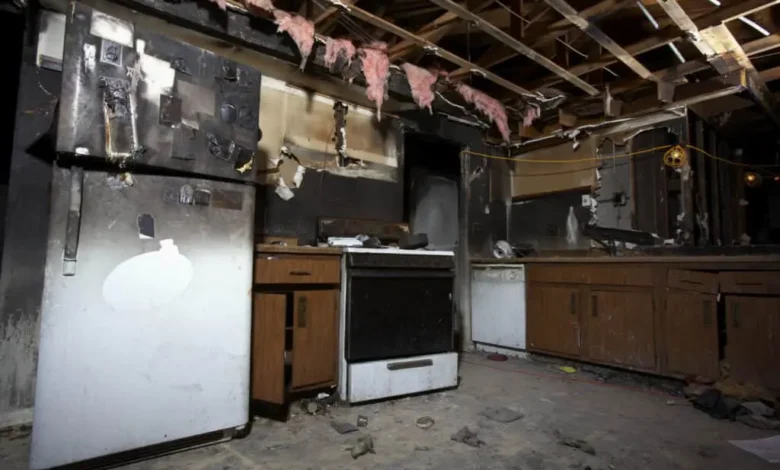
The moment you realize your retail lease is ending, a complex journey begins—one that transforms your customized shop back to its original condition while protecting your security deposit and ensuring a smooth transition. Behind the scenes, professional reinstatement contractors orchestrate an intricate workflow that balances technical expertise, regulatory compliance, and time-sensitive coordination to deliver results that satisfy both you and your landlord.
Understanding this workflow helps you to prepare for what lies ahead. Unlike residential renovations or simple office modifications, retail space reinstatement involves specialized challenges that require systematic approaches, careful planning, and deep understanding of both commercial lease requirements and retail-specific installations.
Initial Assessment and Project Scoping
Your reinstatement journey begins with a comprehensive site assessment that goes far beyond measuring walls and counting fixtures.
During this assessment phase, reinstatement contractors examine your space through multiple lenses. They’re looking at the physical condition of surfaces, the complexity of installations you’ve added, and the structural implications of removing retail-specific elements like heavy display units, specialized lighting systems, or custom-built fitting rooms. Every detail matters because overlooking seemingly minor modifications can lead to scope creep and budget overruns later in the project.
The assessment also involves reviewing your lease agreement, identifying specific clauses that define your reinstatement obligations. Professional contractors understand that lease language can be surprisingly nuanced, with terms like “original condition” and “fair wear and tear” carrying different implications depending on your landlord’s interpretation and industry standards.
Detailed Planning and Design Development
Once the scope is established, the workflow shifts into detailed planning that transforms general requirements into specific, actionable work plans.
The planning process involves coordinating multiple specialized trades that retail reinstatements typically require. Unlike simple office spaces, retail environments often need electrical specialists familiar with commercial lighting systems, flooring experts who understand high-traffic retail materials, and sometimes specialized contractors for removing security systems or point-of-sale infrastructure.
Material procurement planning happens simultaneously with work sequencing. Retail spaces often use specialized materials that may have longer lead times or limited availability. Professional contractors identify these requirements early and begin procurement processes while other planning activities continue, ensuring that materials arrive precisely when needed rather than creating storage challenges or project delays.
The planning phase also addresses regulatory requirements that apply specifically to retail spaces. This might include permits for electrical modifications, approvals for structural changes, or coordination with shopping mall management if your space is part of a larger retail complex. Each requirement gets woven into the project timeline with appropriate buffer periods for approvals and inspections.
Working with experienced professionals like Hacking SG ensures that this planning phase accounts for the countless details that can make or break a retail reinstatement project, from understanding mall management protocols to anticipating the unique challenges that retail fixtures present during removal.
Permit Acquisition and Regulatory Compliance
The regulatory landscape for retail reinstatements often proves more complex than tenants initially anticipate. Professional contractors navigate this terrain systematically, identifying required permits early and initiating application processes that align with project timelines rather than creating bottlenecks.
Building permits may be required for structural modifications, electrical permits for lighting or power system changes, and specialized approvals for plumbing modifications if your retail operation involved food service or specialized washing facilities. Each permit type has its own timeline and requirements, and experienced contractors understand how to sequence applications to prevent delays.
Fire safety compliance represents another critical aspect of retail reinstatement that contractors must address proactively. Retail spaces often have specific fire safety requirements related to egress, sprinkler systems, and emergency lighting that may have been modified during your tenancy. Ensuring compliance during reinstatement prevents issues during final inspections and protects both you and your landlord from potential liability.
Shopping mall environments add another layer of regulatory complexity that contractors must navigate. Mall management companies often maintain their own approval processes for contractors, insurance requirements, and operational standards that go beyond municipal permits. Professional contractors understand these requirements and factor them into project planning from the beginning.
Systematic Demolition and Removal Processes
The physical work begins with carefully orchestrated demolition and removal processes that prioritize safety, efficiency, and protection of elements that will remain in the space.
Retail fixtures often present unique removal challenges that differ significantly from standard commercial installations. Display units may be built into wall systems, specialized lighting might be integrated with ceiling structures, and flooring materials could be adhered with industrial-strength adhesives that require specialized removal techniques.
The sequence of removal activities gets carefully planned to prevent damage and maximize efficiency. Heavy items like display counters or storage systems typically get removed first to create working space for other trades. Electrical and plumbing disconnections happen systematically to ensure safety while preserving systems that will remain functional.
Waste management during retail reinstatements requires specialized approaches because retail spaces often contain materials that need specific disposal methods. Electronic waste from point-of-sale systems, specialized lighting components, and sometimes hazardous materials from cleaning or maintenance products all require proper handling and disposal according to environmental regulations.
Professional contractors coordinate removal activities with building management to minimize disruption to neighboring businesses and comply with loading dock schedules, noise restrictions, and other operational requirements that shopping centers typically maintain.
Surface Restoration and Refinishing Work
With removal activities complete, the workflow shifts to restoration work that transforms your modified space back to its original condition.
Surface preparation becomes critical at this stage because retail spaces typically show wear patterns and modifications that aren’t apparent until fixtures are removed. Wall surfaces may have mounting holes, adhesive residue, or color variations where displays were mounted. Flooring might show indentations from heavy fixtures or wear patterns that need to be addressed to achieve uniform appearance.
Matching existing finishes presents ongoing challenges throughout the restoration process. Paint colors may have faded or changed over time, flooring materials might be discontinued, and ceiling tiles could have slight variations that become apparent only when sections are replaced. Experienced contractors maintain relationships with suppliers who can provide matching materials or acceptable alternatives.
The restoration work typically proceeds in logical sequences that prevent contamination or damage to completed areas. Ceiling work happens first, followed by wall restoration, and finally flooring work that won’t be damaged by other trades. Each phase requires quality control checkpoints to ensure that work meets the standards that will satisfy final inspections.
A qualified retail reinstatement contractor such as Hacking SG understands the nuances of retail space restoration and can achieve the seamless finishes that landlords expect, while managing costs effectively and maintaining realistic project timelines.
Quality Control and Final Inspections
The workflow’s penultimate phase involves comprehensive quality control processes that ensure every aspect of the reinstatement meets professional standards and lease requirements. This systematic review prevents surprises during final landlord inspections and demonstrates the thoroughness that separates professional contractors from less experienced alternatives.
Quality control begins with contractors conducting their own detailed inspections using checklists that cover every aspect of the reinstatement work. They examine surface finishes for consistency, test all mechanical systems for proper operation, and verify that all restoration work meets the standards established during project planning.
The quality control process often reveals minor issues that can be addressed quickly before final inspections. These might include touch-up painting, minor surface repairs, or adjustments to ensure that all elements meet the exacting standards that retail landlords typically expect.
Coordination with landlords or property managers becomes intensive during this phase as contractors prepare for final walkthroughs and address any concerns that might arise. Professional contractors view this coordination as an essential service that protects their clients’ interests and ensures smooth project completion.
Project Handover and Warranty Support
The final phase of the workflow involves formal project handover that transfers responsibility from contractor to landlord while ensuring that you’re protected by appropriate warranties and ongoing support. This phase requires attention to administrative details that can significantly impact your overall experience and long-term satisfaction with the reinstatement work.
Comprehensive documentation handover includes providing landlords with detailed records of all work completed, materials used, compliance certifications obtained, and warranty information for any components that might require future service. This documentation demonstrates professionalism and provides valuable protection for all parties involved.
Final cleaning represents more than simple housekeeping—it’s the finishing touch that demonstrates the contractor’s commitment to excellence and attention to detail. Professional contractors understand that landlords form lasting impressions based on the condition in which spaces are handed over, and meticulous cleaning reflects the quality of all preceding work.
Warranty discussions clarify the contractor’s ongoing commitments and provide you with confidence that any issues discovered after project completion will be addressed promptly and professionally. Clear warranty terms protect both parties and demonstrate the contractor’s confidence in their workmanship.
Working with a commercial reinstatement contractor like HackingSG ensures that this final phase receives the same systematic attention as all preceding workflow elements, providing you with confidence that your reinstatement project has been completed to the highest professional standards.
The handover process culminates in final approvals that release you from ongoing reinstatement obligations and typically trigger the return of your security deposit. Professional contractors understand that this moment represents the ultimate measure of their success and work diligently throughout the entire workflow to ensure that handover proceeds smoothly and successfully.