Introduction
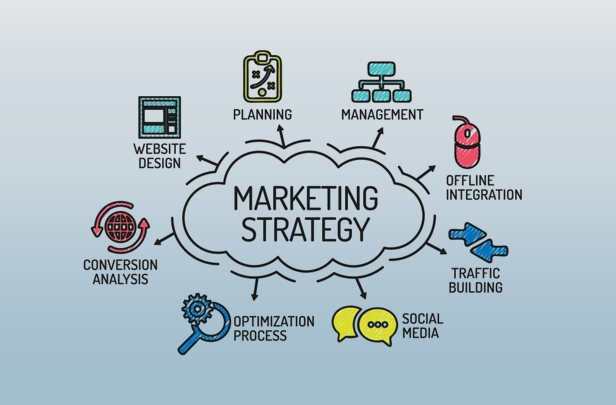
In today’s competitive business landscape, having a well-crafted marketing strategy is crucial. It’s like having a roadmap that guides businesses to reach their target audience, communicate their value proposition, and ultimately achieve their goals. But what exactly is a marketing strategy, and why is it so essential? Let’s dive into the world of marketing strategies and explore how they can propel your business to success.
| Marketing Strategy | Definition | Advantages | Challenges |
|---|
| Digital Marketing | Using online platforms and tools to promote products or services. | Broad reach, cost-effective, real-time analytics. | Requires continuous updates and monitoring. |
| SEO (Search Engine Optimization) | Optimizing website content to rank higher in search engine results. | Increases organic traffic, long-term benefits. | Takes time to see results, requires consistent effort. |
| Content Marketing | Creating and sharing valuable content to attract and engage an audience. | Builds brand authority, attracts and retains customers. | Requires high-quality, consistent content creation. |
| Social Media Marketing | Leveraging social media platforms to connect with an audience. | Engages directly with customers, increases brand awareness. | Can be time-consuming, requires active management. |
| Email Marketing | Sending targeted emails to promote products or services. | Personalized communication, measurable results. | Risk of being marked as spam, requires a quality email list. |
| Traditional Marketing | Offline methods like print, TV, and radio advertising. | Broad audience reach, impactful for certain demographics. | Can be expensive, hard to measure ROI. |
| Print Advertising | Advertising through newspapers, magazines, brochures, etc. | Tangible, can target specific demographics. | Declining readership, limited engagement metrics. |
| Television Advertising | Promoting products through TV commercials. | Wide reach, high impact, visual and auditory engagement. | High costs, limited targeting options. |
| Radio Advertising | Advertising on radio stations. | Cost-effective, local targeting, repetitive frequency. | Limited to audio, less popular among younger audiences. |
| Integrated Marketing | Combining multiple channels to deliver a cohesive message. | Consistent messaging, amplifies impact. | Requires careful coordination, can be complex to manage. |
| Omnichannel Marketing | Ensuring a seamless customer experience across all channels. | Enhances customer experience, increases engagement. | Requires integration across platforms, complex to implement. |
Understanding Marketing Strategies
What is a Marketing Strategy?
A marketing strategy is a comprehensive plan designed to promote products or services to potential customers. It encompasses everything from identifying the target audience to choosing the right marketing channels and crafting the perfect message. Think of it as the blueprint for your marketing efforts, guiding every decision you make to ensure consistency and effectiveness.
Why Do Businesses Need a Marketing Strategy?
Without a marketing strategy, businesses can easily get lost in the noise. A well-defined strategy helps you focus your efforts, allocate resources wisely, and measure success. It’s the difference between shooting in the dark and hitting your target with precision.
Types of Marketing Strategies
Digital Marketing
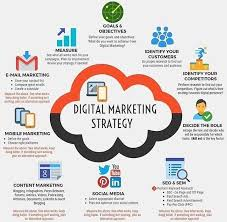
In the digital age, online marketing has become a cornerstone of successful business strategies.
Search Engine Optimization (SEO)
SEO is all about optimizing your website to rank higher in search engine results. It’s like making sure your storefront is visible on the busiest street in town. With proper keyword research, content optimization, and backlink strategies, SEO can drive organic traffic to your site.
Content Marketing
Content is king, they say. By creating valuable and relevant content, you can attract and engage your audience. Whether it’s blog posts, videos, or infographics, content marketing builds trust and positions your brand as an authority in your industry.
Social Media Marketing
Social media platforms are bustling hubs of activity. Leveraging them for marketing allows you to connect with your audience, share your message, and even gather valuable feedback. It’s like having a direct line to your customers’ thoughts and preferences.
Email Marketing
Email marketing is a powerful tool for nurturing leads and maintaining customer relationships. With personalized and targeted campaigns, you can deliver the right message to the right people at the right time.
How Marketing Strategies Drive Business Success
An effective marketing strategy acts as the backbone of a business’s growth efforts by aligning its goals with customer needs and competitive positioning. At its core, a marketing strategy defines how a company will communicate its value proposition to the target audience, set clear objectives, and allocate resources efficiently to reach those goals.
This overarching plan typically incorporates critical elements such as identifying the target market, crafting compelling brand messaging, and choosing the most impactful channels to connect with potential customers. By doing so, businesses can not only increase visibility and engagement but also build long-term relationships with their audience, leading to sustained growth and a stronger market presence.
A well-crafted strategy goes beyond individual campaigns—it becomes a roadmap that guides all promotional and operational decisions, ensuring consistent brand identity and measurable results across the customer journey.
Traditional Marketing
Though digital marketing is on the rise, traditional methods still hold value.
Print Advertising
Print advertising includes newspapers, magazines, brochures, and more. It’s a tangible way to reach your audience, offering a tactile experience that digital ads can’t replicate.
Television and Radio Advertising
Broadcast media offers broad reach and impact. A well-crafted TV or radio ad can create a lasting impression and reach a wide audience quickly.
Mixed Media Marketing
Combining digital and traditional methods can amplify your marketing efforts.
Integrated Marketing Campaigns
Integrated campaigns use multiple channels to deliver a cohesive message. It’s like a symphony where every instrument plays in harmony, creating a more impactful experience for your audience.
Omnichannel Marketing
Omnichannel marketing ensures a seamless experience across all customer touchpoints, whether online or offline. It’s about meeting your customers wherever they are and providing a consistent experience.
Developing a Marketing Strategy
Market Research
Understanding your market is the first step in crafting an effective strategy.
Identifying Target Audience
Who are your ideal customers? What are their needs, preferences, and pain points? Knowing your target audience helps you tailor your message and choose the right channels.
Understanding Market Trends
Staying ahead of market trends gives you a competitive edge. Whether it’s new technologies or changing consumer behaviors, keeping an eye on trends helps you adapt and innovate.
Setting Goals and Objectives
Clear goals and objectives are the backbone of any successful strategy.
SMART Goals in Marketing
Specific, Measurable, Achievable, Relevant, and Time-bound (SMART) goals provide a clear path to success. They ensure that everyone in your team knows what you’re aiming for and how to get there.
Key Performance Indicators (KPIs)
KPIs are the metrics that measure your progress toward your goals. Whether it’s website traffic, conversion rates, or customer engagement, KPIs help you track your performance and make data-driven decisions.
Budgeting and Resource Allocation
A well-planned budget ensures that your resources are used effectively.
Budget Planning
How much should you spend on marketing? Budget planning helps you allocate funds to different channels and tactics, ensuring that you get the best return on investment.
Allocating Resources Effectively
From manpower to technology, allocating resources wisely ensures that every aspect of your strategy is well-supported.
Implementing the Marketing Strategy
Creating a Marketing Plan
A marketing plan outlines the steps you’ll take to execute your strategy.
Timeline and Milestones
Setting a timeline with clear milestones helps you stay on track and measure progress. It’s like a roadmap that guides you from point A to point B.
Assigning Roles and Responsibilities
Everyone on your team should know their role and responsibilities. Clear communication and collaboration are key to executing your plan successfully.
Executing Marketing Campaigns
The execution phase is where your strategy comes to life.
Launching Campaigns
Whether it’s a product launch or a promotional event, launching campaigns requires careful planning and coordination. It’s like setting off fireworks—you want everything to go off without a hitch.
Monitoring and Adjusting Strategies
Once your campaigns are live, monitoring their performance is crucial. Analyzing data and making adjustments ensures that you stay on track and achieve your goals.
Analyzing and Optimizing Marketing Efforts
Data Analysis and Insights
Data is the lifeblood of modern marketing.
Analyzing Marketing Data
From website analytics to customer feedback, analyzing data provides valuable insights into your marketing efforts. It’s like looking under the hood to see how the engine is running.
Drawing Insights and Making Adjustments
Based on your analysis, you can make informed decisions to optimize your strategies. Whether it’s tweaking your message or changing your target audience, adjustments help you stay relevant and effective.
Tools and Technologies
Leveraging the right tools can streamline your marketing efforts.
Analytics Tools
Tools like Google Analytics provide detailed insights into your website’s performance, helping you understand your audience and improve your strategies.
Marketing Automation Software
Automation tools simplify repetitive tasks, freeing up your time to focus on strategy and creativity. Whether it’s scheduling social media posts or sending email campaigns, automation enhances efficiency.
Case Studies of Successful Marketing Strategies
Example 1: Successful Digital Campaign
Explore a case study of a brand that leveraged digital marketing to achieve significant growth. From SEO to social media, see how they crafted a winning strategy.
Example 2: Effective Traditional Marketing
Learn from a brand that successfully utilized traditional marketing methods to reach its audience. Discover the secrets to their success, whether it’s a memorable TV ad or a creative print campaign.
Challenges in Marketing Strategies
Common Pitfalls
Even the best strategies can face challenges. From budget constraints to changing market conditions, understand the common pitfalls and how to avoid them.
Overcoming Challenges
Learn strategies for overcoming challenges and staying resilient in the face of adversity. Adaptability is key, whether it’s pivoting your strategy or finding new opportunities.
Conclusion
Marketing strategies are essential for businesses to thrive in today’s competitive environment. From digital to traditional methods, a well-crafted strategy guides your efforts and ensures success. By understanding your audience, setting clear goals, and leveraging the right tools, you can create a powerful marketing strategy that drives growth and achieves your objectives.
Apart from that, if you want to know about Community Service Associations then please visit our Marketing category.
FAQs
The most effective type of marketing strategy depends on your target audience and business goals. A mix of digital and traditional methods often yields the best results.
A marketing strategy should be reviewed and updated regularly, typically every 6-12 months, to adapt to changing market conditions and trends.
Key elements include understanding your target audience, setting clear goals, choosing the right channels, and measuring performance through KPIs.
Absolutely! Digital marketing offers cost-effective ways for small businesses to reach a wider audience, engage with customers, and grow their brand.
Success is measured through KPIs such as website traffic, conversion rates, customer engagement, and return on investment (ROI).
In the world of digital marketing, understanding the price dynamics of Bitcoin can offer valuable insights. For instance, Exploring the Secrets Behind the Price of Bitcoin Against the US Dollar can help you grasp how market fluctuations might impact your online strategies.