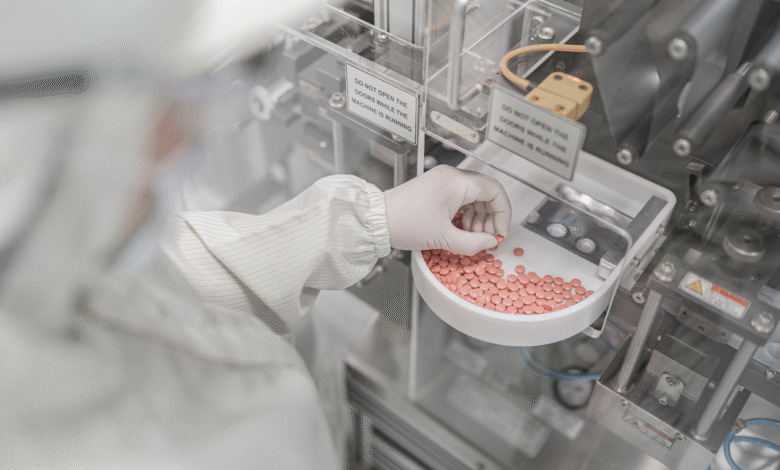
Maintaining air sanitation in pharmaceutical facilities isn’t just about cleanliness—it’s about compliance, safety, and product integrity. With strict FDA and ISO standards governing air quality in cleanrooms and production areas, business owners and facility managers must stay ahead of regulations.
Whether you’re launching a new manufacturing site or upgrading an existing one, understanding how to meet air sanitation requirements is essential for long-term success. Let’s explore the key strategies to ensure your pharmaceutical business remains compliant, efficient, and safe.
Understanding Regulatory Requirements for Air Sanitation
Before implementing any system or protocol, it’s important to understand the regulations that govern air sanitation in pharmaceutical environments. The FDA’s Current Good Manufacturing Practices (CGMP) and ISO 14644 standards outline specific requirements for cleanroom classification, particulate control, and microbial contamination limits.
These rules apply to everything from sterile drug production to packaging and storage, and complying with them starts with documentation. Facilities must maintain detailed records of air quality tests, HVAC performance, and sanitation procedures.
Auditors look for consistency, traceability, and adherence to validated processes. Falling short can lead to costly penalties, product recalls, or even shutdowns. That’s why investing in proper systems and training is not optional—it’s foundational.
Designing Cleanroom Layouts That Support Airflow Control
Cleanroom design plays a major role in air sanitation. The layout must support unidirectional airflow, minimize turbulence, and prevent cross-contamination between zones. This means strategically placing air returns, HEPA filters, and pressure differentials to guide clean air where it’s needed most.
Pharmaceutical businesses should work with architects and engineers who specialize in cleanroom environments. Materials used in walls, ceilings, and flooring must be non-porous and easy to sanitize. Entry points should include airlocks or gowning rooms to reduce particle transfer. Even furniture and equipment placement affects airflow and particle behavior.
A well-designed cleanroom isn’t just compliant—it’s efficient. It reduces the burden on HVAC systems, lowers energy costs, and improves employee workflow. Most importantly, it creates a controlled environment where product safety is never compromised.
Implementing Commercial HVAC Systems for Cleanroom Performance
Your HVAC system is the backbone of air sanitation. It controls temperature, humidity, and particulate levels across your facility. For pharmaceutical businesses, standard HVAC setups won’t cut it. You need systems designed for cleanroom performance, with high-efficiency filtration and precise environmental control.
Partnering with commercial HVAC professionals like McIntosh Heating & Cooling ensures your system meets industry standards. These experts understand the unique demands of pharmaceutical environments and can design, install, and maintain HVAC systems that support ISO classifications and CGMP compliance.
Routine maintenance is critical. Filters must be replaced on schedule, ductwork inspected for leaks, and airflow balanced across zones. Neglecting HVAC upkeep can lead to microbial growth, particle buildup, and regulatory violations. A proactive maintenance plan, backed by experienced professionals, keeps your facility running smoothly and safely.
Conducting Routine Environmental Monitoring and Validation
Even the best systems require validation. Environmental monitoring is the process of regularly testing air quality to ensure compliance with microbial and particulate standards. It includes air sampling, surface swabbing, and real-time particle counting in critical zones.
Professional environmental monitoring services, such as those provided by ICCAT (Cleanroom Certification and Test), offer comprehensive testing and documentation. These experts use calibrated equipment and validated methods to assess your cleanroom’s performance. They also help interpret results and recommend corrective actions when needed.
Monitoring should be ongoing—not just during audits. Daily checks, weekly reports, and monthly validations help catch issues early and maintain consistent quality. Data from these tests also supports your quality assurance program and builds trust with regulators and clients.
Training Staff on Air Sanitation Protocols and Best Practices
Technology alone can’t ensure compliance. Your staff must understand and follow air sanitation protocols every day. This includes proper gowning procedures, movement within cleanrooms, and handling of sterile materials. Human error is one of the leading causes of contamination, so training is non-negotiable.
Develop a training program that covers CGMP guidelines, cleanroom behavior, and emergency response procedures. Use visual aids, hands-on demonstrations, and regular refreshers to keep knowledge current. Encourage a culture of accountability, where employees report issues and follow SOPs without shortcuts.
A well-trained staff not only reduces contamination risks but also improves operational efficiency. They know how to work within cleanroom constraints, respond to alarms, and maintain documentation. Investing in training is investing in your business’s reputation and reliability.
Auditing and Continuous Improvement for Long-Term Compliance
Compliance isn’t a one-time achievement—it’s a continuous process. Regular internal audits help identify gaps in your air sanitation strategy and prepare you for external inspections. These audits should review HVAC performance, monitoring data, staff behavior, and documentation practices.
Use audit findings to drive improvement. Update SOPs, retrain staff, or upgrade equipment as needed. Consider implementing digital systems for tracking air quality and maintenance schedules. These tools provide real-time insights and reduce the risk of oversight.
Continuous improvement also shows regulators that your business is proactive. It builds confidence in your operations and can lead to faster approvals and fewer disruptions. In a competitive industry, staying ahead of compliance is a strategic advantage.
Conclusion
Air sanitation compliance is more than a regulatory checkbox—it’s a commitment to safety, quality, and excellence. From cleanroom design to HVAC maintenance and environmental monitoring, every element plays a role in protecting your products and your reputation. By partnering with experts and by fostering a culture of compliance within your team, your pharmaceutical business can thrive in a highly regulated landscape.
Apart from that if you want to know about Is Major Chemicals a Good Career Path? A Comprehensive Exploration of Opportunities, Challenges, and Future Prospects then please visit our Business Category.