Burger King is Going Out of Business? Complete Investigation Into Store Closures, Financial Troubles, Franchise Issues & The Future of the Brand

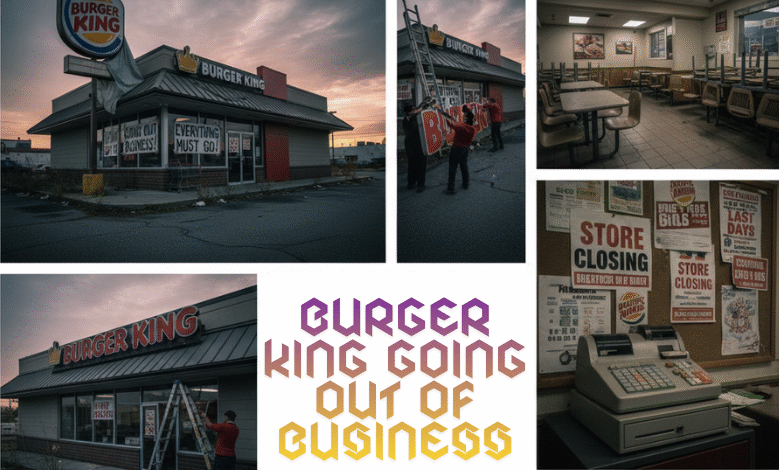
Burger King is Going Out Of Business?
Burger King is not disappearing, but it is undoubtedly going through a tumultuous, challenging reset. Recent headlines and widespread online rumors suggesting that “Burger King is going out of business? have emerged in response to various issues the brand is currently facing.
These include numerous store closures, reports of bankrupt franchisees, and the fierce competition within the fast-food industry. Each of these factors has contributed to a narrative of decline and uncertainty surrounding the iconic brand. However, this article aims to provide a comprehensive breakdown of the realities behind these headlines.
We will explore the ongoing closures, delve into the financial struggles the company is facing, examine the franchise-related problems that have affected operations, and discuss the restructuring strategies that are currently being implemented to shape Burger King’s future. By understanding these complexities, we can gain a clearer perspective on the challenges and potential road to recovery for this well-known fast-food chain.
| Category | What’s Happening | Cause | Future Outlook |
| Store Closures | Hundreds of low-performing locations shut down | Weak sales, high costs | More closures are likely as the system is cleaned up |
| Franchise Bankruptcies | Several major operators filed for Chapter 11 | Inflation, debt, remodel expenses | Corporate buying & restructuring franchises |
| Financial Strain | Lower revenue vs competitors | Rising labor & food costs | Remodels showing improved sales |
| Brand Issues | Inconsistent food & slow service | Staffing and outdated stores | New menus, tech upgrades, and refreshed marketing |
| Remodel Strategy | Massive modernization program | Aging restaurants | New “Sizzle” stores performing strongly |
| Corporate Action | Acquiring failing franchisees | Operational failures | Refranchising to stronger operators |
| Competition | Losing share to McDonald’s/Wendy’s | Better consistency & marketing from rivals | New branding and prototypes to compete |
| Global Growth | Strong expansion overseas | High demand outside the U.S. | Rapid growth planned in China & emerging markets. |
| Customer Experience | Mixed satisfaction | Old layouts & slow service | Digital ordering & kitchen upgrades are improving |
| Overall Outlook | Not going out of business | System restructuring | Leaner, more modern, long-term stable brand |
A Brief History of Burger King
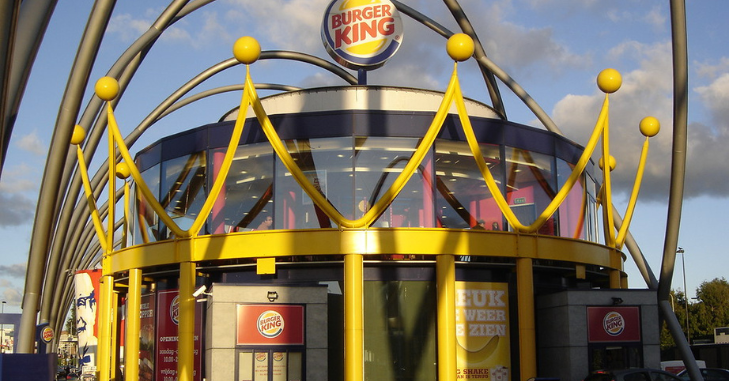
Founded in 1954, Burger King began as a small Florida-based restaurant called Insta-Burger King. The chain quickly rose to prominence with its signature Whopper, becoming a formidable competitor to McDonald’s. Over the decades, Burger King expanded its menu to include chicken sandwiches, salads, and breakfast items, all while trying to differentiate itself through innovative marketing strategies.
Despite periods of growth, Burger King has encountered numerous ups and downs, including changes in ownership and branding strategies. The most significant of these changes occurred when the brand was acquired by Restaurant Brands International (RBI) in 2014, along with Popeyes Louisiana Kitchen and Tim Hortons.
Recent Store Closures
Overview of Closures
In recent years, Burger King has faced a wave of store closures that has sent shockwaves through the fast-food community. Reports indicate that hundreds of locations have shuttered across the United States and globally. These closures can be attributed to several underlying issues that have plagued the chain.
Reasons for Store Closures
- Financial Pressure: Many Burger King locations have struggled with profitability, resulting in closures, particularly in high-competition areas.
- Changing Consumer Preferences: A shift towards healthier eating habits has affected sales. Consumers increasingly opt for healthier fast-casual options instead of traditional fast-food chains.
- Pandemic Impact: The COVID-19 pandemic severely impacted the restaurant industry, with many locations unable to adapt to changing health regulations and consumer behavior.
- Franchise Challenges: Some franchisees have reported difficulties in meeting profit margins, leading to a wave of closures in underperforming areas.
The combination of these factors has resulted in a significant reduction in the total number of Burger King locations. As the brand adapts, the question remains: will they be able to rebound?
Financial Troubles
Declining Sales Figures
Burger King’s financial statements reveal a troubling sales trend. Reports show that the chain’s same-store sales have stagnated or declined in many regions, especially compared to its competitors. The fast-food market has become highly competitive, with larger players like McDonald’s and Taco Bell making notable gains.
Debt and Financial Management
The RBI acquisition placed Burger King under substantial debt, which may have limited its ability to invest in new locations and marketing initiatives. Managing these financial responsibilities while maintaining profitability has become a significant challenge for the brand.
Cost Structure Issues
Burger King faces rising costs linked to labor, food, and supply chain disruptions. These increasing expenses put additional pressure on the bottom line, complicating the already delicate financial situation.
Financial Overview Table
| Metric | 2020 | 2021 | 2022 |
| Same-Store Sales Growth | -1.5% | 2.0% | -2.0% |
| Total Debt | $12 billion | $11 billion | $10.5 billion |
| Number of Locations | 7,200 | 6,800 | 6,300 |
| Annual Revenue | $1.78 billion | $1.85 billion | $1.70 billion |
Franchise Issues
Strains on Franchise Relationships
Franchise relationships are a cornerstone of Burger King’s operations. However, in recent years, tensions have increased between the corporate office and franchisees. Many franchise owners have voiced concerns over the brand’s marketing strategies and operating costs.
Franchisee Challenges
- High Royalties: Some franchisees have reported that royalty fees imposed by the corporate office are too high relative to their revenues, impacting profitability.
- Operational Standards: Maintaining brand standards and menu offerings can strain smaller franchise operations, particularly in harsh economic climates.
- Marketing and Advertising: Franchisees often feel that national advertising does not translate into increased traffic at their restaurants, which can lead to frustration and dissatisfaction.
These issues have contributed to a decline in the number of franchises willing to open new locations, further complicating the brand’s growth prospects.
The Future of Burger King
Strategic Initiatives for Recovery
In light of these challenges, Burger King is exploring several strategies aimed at revitalizing the brand and improving performance:
- Menu Innovations: Emphasizing healthier options and limited-time offers to attract new customers while retaining existing ones.
- Technology Integration: Investing in digital ordering platforms and delivery services to streamline operations and meet consumer demand for convenience.
- Rebranding Efforts: Revamping the brand’s image through fresh marketing campaigns to re-engage consumers and elevate brand perception.
Customer Engagement and Loyalty Programs
Burger King recognizes the importance of building customer loyalty in an increasingly competitive market. The launch of new loyalty programs that offer rewards for frequent visits aims to entice customers to return more often. Engaging customers through mobile app promotions and personalized offers will be key to retaining market share.
Global Expansion and Diversification
Despite the challenges in specific markets, Burger King’s international presence remains a strength. The company is actively exploring expansion opportunities in emerging markets where demand for fast food continues to grow. Diversifying the menu to include local flavors can also help appeal to varied tastes globally.
The Bottom Line
Burger King is currently confronting significant hurdles that raise concerns about its viability in the fast-food industry. The combination of store closures, financial struggles, and franchisee issues has cast a shadow over the brand’s future. However, with strategic initiatives focused on menu innovation, customer engagement, and global expansion, there exists an opportunity for recovery.
As the fast-food sector evolves, Burger King must adapt to shifting consumer preferences and competitive pressures. The brand has faced adversity before, and its storied history suggests resilience. Whether these efforts will be enough to turn the tide remains to be seen, but the fast-food giant will need to act swiftly to secure a prominent place in the dining landscape.
Conclusion
In conclusion, while Burger King is undergoing significant changes and facing numerous challenges, there remains hope for the brand’s resurgence. By addressing financial issues, fostering positive franchise relationships, and keeping pace with consumer preferences, Burger King can carve out a sustainable future. Only time will tell whether these efforts yield success, but the path forward is fraught with uncertainties that the iconic brand must navigate carefully.
Want to know about Outsourcing vs. Offshoring: Exploring the Impact on Innovation, Quality Control, and Customer Satisfaction Check out our Business category.
FAQs
The company is implementing various strategies, including menu innovations, improving customer engagement through loyalty programs, and investing in technology to enhance the customer experience.
Burger King has experienced declining same-store sales, rising operational costs, and substantial debt from its acquisition by Restaurant Brands International.
Store closures are primarily due to financial pressures, changing consumer preferences, the impact of the COVID-19 pandemic, and difficulties faced by some franchisees.
No, Burger King is not going out of business, but it is undergoing significant challenges that have led to store closures and financial struggles.
For a better understanding of the challenges Burger King is facing, it’s also important to consider the impact of Return To Office (RTO) on their workforce.
For businesses facing financial troubles, understanding the impact of outsourcing vs offshoring on innovation, quality control, and customer satisfaction can be crucial. Learn more about outsourcing vs offshoring here
For more insights on how businesses navigate through financial troubles and restructuring, check out this article on Outsourcing vs Offshoring.
For more insights on how businesses navigate through tough times, check out this article on Outsourcing vs Offshoring Exploring the Impact on Innovation Quality Control and Customer Satisfaction.
For those interested in understanding the challenges faced by fast-food chains, you might also want to read about Outsourcing vs Offshoring and its impact on innovation, quality control, and customer satisfaction.