Introduction
The franchise model has transformed the business landscape, allowing brands to expand rapidly and efficiently. Companies like McDonald’s, Subway, and 7-Eleven have become household names by leveraging the franchise system.
Franchise examples can be seen in nearly every industry, and successful franchisors have leveraged the power of this business model to scale their operations globally. This article delves into the franchise revolution, exploring how various brands have built empires, the advantages of franchising, and the challenges faced along the way.
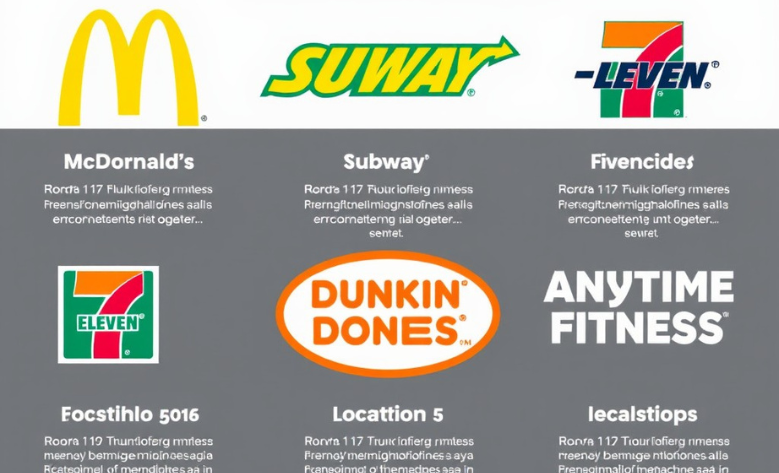
| Brand | Founded | Number of Locations | Key Features | Success Factors |
| McDonald’s | 1940 | Over 39,000 | Fast food, breakfast, drive-thru | Standardization, strong marketing, global adaptability |
| Subway | 1965 | Over 40,000 | Customizable sandwiches, healthy options | Low investment, menu innovation, community engagement |
| 7-Eleven | 1927 | Over 70,000 | Convenience store, snacks, fuel | Strategic locations, diverse offerings, tech integration |
| Dunkin’ Donuts | 1950 | Over 12,000 | Coffee, breakfast items, quick service | Strong brand identity, loyalty programs, menu updates |
| Anytime Fitness | 2002 | Over 4,500 | 24/7 access gyms, community focus | Accessibility, affordable pricing, member engagement |
This table briefly summarizes some prominent franchise brands and their characteristics.
Understanding the Franchise Model
What is Franchising?
Franchising is a business strategy that allows individuals (franchisees) to operate a business under the brand name of a larger company (franchisor). The franchisee pays an initial fee and ongoing royalties for the right to use the brand’s name, products, and operational systems.
This model enables brands to expand their reach without the franchisor bearing the full cost of new locations.
Types of Franchises
There are two primary types of franchises:
- Product Distribution Franchises: The franchisor provides products and branding, allowing franchisees to sell these items within a specific territory. Examples include automobile dealerships and soft drink bottlers.
- Business Format Franchises: This is the most common type, where the franchisor provides a complete system for operating the business, including marketing, training, and support. Fast-food chains and retail stores typically fall into this category.
The Rise of Franchise Brands
Historical Context
Franchising dates back to the 19th century but gained significant traction in the post-World War II era. The economic boom increased consumer demand, and many brands recognized the opportunity to expand. The franchise model allowed growth quickly while minimizing risk and investment.
Key Factors Driving Franchise Growth
Several factors have contributed to the rise of franchising:
- Low Entry Barriers: Many franchises require relatively low initial investment compared to starting a new business.
- Brand Recognition: Franchisees benefit from the brand’s established reputation, which can lead to higher customer traffic and sales.
- Support Systems: Franchisors provide training, marketing, and operational support, reducing the burden on franchisees.
Franchise Examples: Brands That Built Empires
McDonald’s: The Golden Arches

McDonald’s is perhaps the most iconic franchise in history. Founded in 1940, the brand has grown to over 39,000 locations worldwide.
Key to Success
- Standardization: McDonald’s has perfected its operational processes, ensuring consistency in food quality and service across all locations.
- Marketing Prowess: The brand’s marketing campaigns, including the famous “Happy Meal,” have created a strong emotional connection with consumers.
- Adaptation: McDonald’s has adapted its menu to cater to local tastes in various countries, ensuring relevance in diverse markets.
Subway: The Fresh Choice
Subway, founded in 1965, has become synonymous with healthy fast food, boasting over 40,000 locations globally.
Key to Success
- Customization: Subway’s focus on fresh ingredients and customizable sandwiches appeals to health-conscious consumers.
- Franchise Model: With a low initial investment and flexible store formats, Subway has attracted a wide range of franchisees.
- Global Reach: The brand’s ability to adapt its menu and marketing strategies to fit local markets has facilitated its international expansion.
7-Eleven: Convenience at Your Fingertips

7-Eleven, established in 1927, has grown into the world’s largest convenience store chain, with over 70,000 locations.
Key to Success
- Accessibility: 7-Eleven stores are strategically located, providing easy access for consumers.
- Diverse Offerings: From snacks to gasoline, 7-Eleven offers a variety of products that cater to consumer needs.
- Innovative Technology: The brand has embraced technology, introducing mobile apps and online ordering to enhance customer experience.
Dunkin’ Donuts: From Coffee to Breakfast
Dunkin’ Donuts, founded in 1950, has evolved into a major player in the coffee and breakfast markets, with over 12,000 locations worldwide.
Key to Success
- Brand Identity: Dunkin’ is a go-to destination for coffee and quick breakfast options.
- Menu Innovation: The brand continually updates its menu to include new flavors and seasonal items, keeping customers engaged.
- Loyalty Programs: Dunkin’s rewards program has fostered customer loyalty, encouraging repeat business.
Anytime Fitness: The Fitness Revolution
Founded in 2002, Anytime Fitness has rapidly grown into one of the largest gym franchises, with over 4,500 locations.
Key to Success
- 24/7 Access: Offering round-the-clock access has made Anytime Fitness convenient for busy individuals.
- Community Focus: Each franchise is encouraged to engage with the local community, fostering a sense of belonging.
- Affordable Memberships: The brand’s competitive pricing appeals to a broad audience, making fitness accessible to many.
Advantages of Franchising
Rapid Expansion
Franchising allows brands to expand quickly without the financial burden of opening company-owned locations. Franchisees invest their capital into new stores, enabling franchisors to grow their footprint more rapidly.

Risk Mitigation
With franchisees investing their resources, the financial risk is spread across multiple locations. This model reduces the overall risk for the franchisor while providing franchisees with a proven business model.
Local Expertise
Franchisees often have a deeper understanding of their local markets. This local knowledge can lead to better customer relationships and tailored marketing strategies.
Challenges in Franchising
One of the biggest challenges franchisors face is ensuring consistency across all locations. Franchisees must adhere to the brand’s standards to maintain customer trust and satisfaction.

Building strong relationships with franchisees is crucial. Franchisors must provide ongoing support and communication to ensure franchisees feel valued and engaged. As the franchise model grows in popularity, competition increases. Brands must continually innovate and adapt to stay ahead of rival franchises and independent businesses.
Franchisee Selection and Training: A Key to Success
The success of a franchise often hinges on the quality of its franchisees. Selecting franchisees who align with the brand’s values, vision, and operational standards is critical for maintaining consistency and customer satisfaction.
Many franchisors now implement rigorous selection processes that assess business experience, financial stability, and local market knowledge. Beyond selection, comprehensive training programs equip franchisees with the skills needed to manage daily operations, deliver excellent customer service, and implement marketing strategies effectively.
The Future of Franchising
Emerging Trends
The franchise landscape is constantly evolving. Key trends shaping the future of franchising include:
- Technology Integration: Brands increasingly use technology to streamline operations, enhance customer experiences, and improve marketing efforts.
- Sustainability: Eco-friendly practices are becoming more important to consumers. Franchises that prioritize sustainability may have a competitive edge.
- Health and Wellness: The growing focus on wellness drives demand for franchises in fitness, healthy food, and wellness services.

Global Expansion
Franchising is no longer limited to domestic markets. Brands increasingly seek to expand internationally, tapping into new consumer bases and revenue streams. Understanding cultural differences and local regulations will be essential for success in new markets.
Conclusion
The franchise revolution has reshaped the business world, enabling brands to build empires and create lasting legacies. Companies like McDonald’s, Subway, and 7-Eleven demonstrate the power of the franchise model, showcasing how strategic growth, brand loyalty, and local expertise can lead to success.
Brands must remain agile as the franchise landscape evolves, adapting to new challenges and opportunities. The future of franchising is bright, with endless possibilities for those willing to innovate and embrace change. The journey of franchising is not just about building businesses; it’s about creating communities and fulfilling consumer needs across the globe.
Apart from that if you want to know about “Top 10 Fast Food Franchises: Costs, Requirements, Benefits and Choosing the Right One for You” then please visit our “Business” Category.
FAQs
Franchising is a business model where individuals (franchisees) operate a business under the brand name of a larger company (franchisor), paying fees for the right to use the brand’s name and operational systems.
Notable franchise brands include McDonald’s, Subway, 7-Eleven, Dunkin’ Donuts, and Anytime Fitness, all of which have built significant global empires.
Benefits include rapid expansion, reduced financial risk, and leveraging local knowledge through franchisees.