Introduction
In the world of business transactions, securing payments that are both reliable and guaranteed is crucial. A cashier’s check is one such instrument that offers a high level of security for both the payer and the payee. Unlike personal checks, cashier’s checks are drawn against the bank’s funds, ensuring they are backed by the bank and typically considered more trustworthy. This article will walk you through how to Get a Cashier’s Check for Your Business, highlighting the benefits and necessary steps to secure one.
| Step | Description |
|---|---|
| 1. Determine the Amount | Decide on the exact dollar amount you need for the cashier’s check. This is important for ensuring you have the proper funds available. |
| 2. Visit Your Bank | Go to your business’s bank or credit union and request a cashier’s check. You may need to provide identification and the recipient’s information. |
| 3. Pay the Check Fee | There is typically a small fee, often around $10-$15, to obtain a cashier’s check. Make sure to have this amount available to pay the fee. |
| 4. Provide the Recipient Details | Give the bank the name of the individual or business that the cashier’s check should be made out to. Double-check this information for accuracy. |
| 5. Wait for the Check | The bank will generate the cashier’s check for you. This is typically done while you wait, but may take a few minutes to process. |
What is a Cashier’s Check?
A cashier’s check is a check issued by a bank on behalf of a customer. The bank guarantees the payment, making it a safer option for large transactions. The funds are drawn from the bank’s own account, not the payer’s, ensuring the recipient that the check will not bounce.
Benefits of Using a Cashier’s Check
Using a cashier’s check for business transactions offers numerous advantages, particularly for large and critical payments. Here are some key benefits:
1. Guaranteed Funds
High Security
A cashier’s check is issued by a bank and backed by its funds, ensuring that the amount specified will be paid. This eliminates the risk of insufficient funds that can occur with personal or business checks.
Credibility
Because the bank guarantees the payment, cashier’s checks are often seen as more credible than other forms of payment, giving the recipient confidence in the transaction.
2. Wide Acceptance
Preferred for Large Transactions
Many businesses, especially those involved in significant transactions like real estate deals, vehicle purchases, and vendor payments, prefer or even require cashier’s checks because of their reliability.
Easier Negotiation
The assured nature of cashier’s checks can make it easier to negotiate large deals, as the recipient is assured of payment.
3. Speed and Efficiency
Immediate Withdrawal
Funds for a cashier’s check are immediately withdrawn from your account when the check is issued, ensuring quick and efficient payment processing.
Faster Clearing
Cashier’s checks typically clear faster than personal checks, often within one to two business days, which helps expedite transactions.
4. Reduced Risk
Lower Fraud Risk
Cashier’s checks are less susceptible to fraud compared to personal checks. Banks have stringent verification processes before issuing them, which reduces the chances of counterfeit checks.
Minimized Payment Disputes
Since the funds are guaranteed, payment disputes or bounced checks are less likely, providing peace of mind for both parties involved.
Why Cashier’s Checks Are a Smart Choice for Business Payments
When your business needs to make secure, guaranteed payments—especially for large transactions like vendor deposits, equipment purchases, or real estate deals—a cashier’s check offers a level of confidence that personal or business checks can’t match.
Unlike personal checks that are drawn on your own account, a cashier’s check is issued by the bank itself and backed by its funds, ensuring the recipient that the payment will clear without risk of insufficient funds.
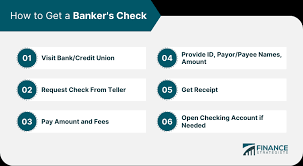
To obtain one, businesses typically visit their bank or credit union with the exact amount, recipient information, and valid identification; the bank then creates the check on the spot after collecting the funds and any applicable fee. This process provides both reliability and peace of mind for high-value transactions where trust between parties is essential.
Steps to Obtain a Cashier’s Check for Your Business
1. Determine the Amount and Payee
Before you approach the bank, ensure you have the exact amount you need the cashier’s check for and the payee’s name. This information is crucial, as the bank will issue the check with these details.
2. Choose a Bank
You can get a cashier’s check from your business’s or any other bank. However, getting one from a bank where you already hold an account is generally easier. Check with your bank about their process and fees for issuing a cashier’s check.
3. Gather Necessary Identification
When you visit the bank, bring proper identification, such as a government-issued ID and your business’s account information. Some banks may require additional documentation to verify your business identity.
4. Visit the Bank
Go to the bank in person to request a cashier’s check. While many banks require you to visit a branch, some may offer online services to issue cashier’s checks. Check with your bank for specific procedures.
5. Provide Payment
You will need to provide the bank with the exact amount of the cashier’s check plus any applicable fees. The funds can typically be withdrawn from your business account or provided in cash.
6. Fill Out the Cashier’s Check Request Form
At the bank, you will be asked to fill out a cashier’s check request form. This form includes details such as the payee’s name, the amount, and sometimes the purpose of the check.
7. Verify Details
Before the bank processes your request, double-check all the details to ensure accuracy. Any errors could delay the transaction or cause issues for the recipient.
8. Receive the Cashier’s Check
Once the bank processes your request, you will receive the cashier’s check. Ensure it has the correct payee name and amount before leaving the bank.
9. Deliver the Check
After obtaining the cashier’s check, deliver it to the payee as required. This could be done in person, via mail, or through a secure delivery service depending on the nature of the transaction and the recipient’s preference.
Tips for Using a Cashier’s Check
- Keep Records: Always keep a record of the cashier’s check, including a copy of the check and the receipt from the bank.
- Verify Authenticity: If you receive a cashier’s check, contact the issuing bank to verify its authenticity.
- Understand Fees: Know any fees for obtaining a cashier’s check. These fees vary by bank and can affect the total cost of the transaction.
Conclusion
Obtaining a cashier’s check for your business is a straightforward process that can provide peace of mind for high-value transactions. By following these steps, you can ensure that your payments are secure, reliable, and widely accepted. Whether you are paying a supplier, purchasing assets, or making a significant investment, a cashier’s check is a valuable tool in your business’s financial toolkit.
Apart from that if you want to know about Saturday a Business Day then please visit our Finance page.
FAQs
A cashier’s check is a secure form of payment issued by a bank, guaranteed by the bank’s own funds. It is typically used for large transactions where the payee requires assurance that the check will not bounce.
Businesses use cashier’s checks for high-value transactions, such as purchasing equipment, real estate, or paying suppliers, where a guaranteed form of payment is necessary.
Yes, banks typically charge a fee for issuing a cashier’s check. The fee varies by bank, so it’s best to check with your bank for specific costs.
Some banks may waive the fee for premium account holders or under certain conditions. It’s worth asking your bank if you qualify for a fee waiver.
Yes, cashier’s checks are very secure because the funds are by the bank. This reduces the risk of insufficient funds compared to personal checks.