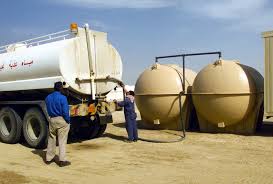
Selecting a reliable propane supplier is essential for any business that depends on propane for its operations. Choosing the wrong supplier can result in supply disruptions, unexpected price fluctuations, and potential safety hazards. This comprehensive guide will help you understand the key factors to consider when choosing a propane supplier to ensure your business runs smoothly and safely.
Assess Your Propane Needs
Begin by thoroughly evaluating your company’s propane consumption and requirements:
- Monthly and annual usage: Determine how much propane your business consumes to help identify suppliers who can meet your demand reliably.
- Equipment and applications: Specify what equipment depends on propane such as heating systems, forklifts, industrial machinery, or kitchen appliances.
- Delivery preferences: Decide if you need automatic delivery services or prefer to place manual orders. Auto-delivery programs can reduce costs and prevent fuel shortages.
Clearly documenting your propane needs will enable you to target suppliers that provide the best balance of reliability, flexible delivery and pricing plans, technical expertise, safety standards, and scalability for future growth.
Key Supplier Qualifications
When evaluating potential propane suppliers, focus on these critical qualifications:
1. Safety and Compliance Expertise
Prioritizing safety is non-negotiable. Investigate each supplier’s safety record and adherence to industry regulations:
- Do they employ certified and trained propane professionals?
- Are they compliant with all local, state, and federal propane safety regulations?
- What safety management protocols and emergency procedures do they have implemented?
- Check the condition and safety ratings of their transportation fleet to ensure dependable and secure deliveries.
2. Reliable Supply and Delivery Capabilities
A supplier with multiple regional terminals and an extensive delivery fleet will be better positioned to maintain consistent supply, especially during times of high demand:
- Can they guarantee an uninterrupted propane supply aligned with your consumption?
- Do they offer flexible delivery scheduling, including automatic refills?
- How do they handle emergency or after-hours delivery requests?
3. Customer Service and Support
Responsive customer support is essential for proactive communication about deliveries, pricing updates, and any service issues:
- What communication channels and account management services are provided?
- Can they share references from other satisfied regional business customers?
- Is their customer service available 24/7 via phone, email, or online portals?
4. Equipment Expertise
Choose a supplier with qualified technicians who can install, inspect, maintain, and repair commercial propane infrastructure such as tanks, piping, regulators, leak detectors, and appliances:
- Do their technicians have certifications and experience with commercial propane systems?
- Can they provide maintenance schedules and recommend equipment upgrades to optimize performance?
- What warranties and repair policies do they offer for equipment?
5. Comparing Supplier Pricing and Plans
Price competitiveness is key when selecting a propane supplier. Compare these aspects carefully:
- Propane unit pricing: What is the per-gallon rate, and how frequently do prices adjust?
- Fees: Are there additional delivery or account management fees?
- Contract options: Are fixed-rate contracts available, and what are the term lengths?
- Billing and payment: Are billing practices transparent? Do they offer online account management, consolidated billing, or budget plans?
Consider the overall value of pricing plans in relation to the supplier’s service quality and capabilities. Always request a detailed cost breakdown before finalizing your choice.
Safety Vetting and References
Before making a final decision, thoroughly verify the supplier’s safety practices and reputation:
- Review their safety management documentation and employee certification records.
- When possible, inspect their storage facilities and delivery vehicles to ensure proper maintenance and safety compliance.
- Request 2-3 references from current regional business clients and contact them to obtain honest feedback.
Conducting these due diligence steps helps prevent costly and dangerous issues in the future.
The Bottom Line
Choosing the right propane supplier requires careful evaluation of safety, supply reliability, customer support, equipment expertise, and competitive pricing. By prioritizing safety and dependable service, you minimize business disruptions and hazardous risks. Detailed vetting, contract scrutiny, and reference checks ensure you select a supplier that aligns well with your operational needs and budget.
Partnering with a reputable propane supplier offering flexible plans and transparent pricing can significantly enhance your business’s operational efficiency and continuity. Our experts at AA Propane are ready to assess your propane usage and infrastructure to design a customized, cost-effective supply and delivery solution. Contact us today to learn more!
If you are also interested in learning about Your Local Plumbing Experts, please visit our Small business category for more information.
Frequently Asked Questions (FAQs)
Review your historical propane usage over several months or years to estimate average consumption. Consult with your equipment manufacturer for recommended propane needs based on operational hours and capacity.
Look for certifications such as the National Propane Gas Association (NPGA) training, OSHA compliance, and state-specific licenses. Confirm the supplier’s adherence to local and federal safety regulations.
Yes, many suppliers offer flexible contracts including fixed pricing, volume discounts, and varied term lengths. It’s advisable to request quotes from multiple suppliers and compare offerings to negotiate the best deal.
Automatic delivery ensures your propane tanks are refilled before running low, preventing operational downtime and emergency refill fees. It also helps suppliers manage inventory efficiently for cost savings.
Regular inspections should be conducted annually or as recommended by equipment manufacturers and local codes to ensure safety and efficiency. Maintenance schedules vary based on usage and equipment type.