How to Disaster-Proof Your Business’s Network Infrastructure in the Digital Age

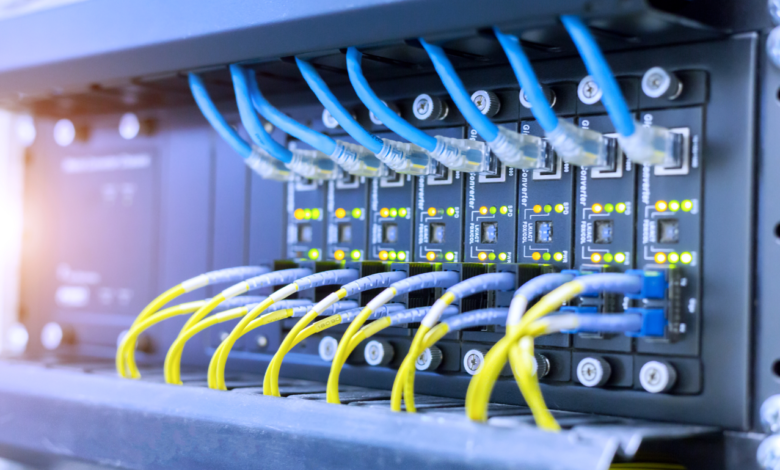
Network disruptions can severely impact businesses by causing lost revenue, reduced productivity, and dissatisfied customers. Protecting your network infrastructure against disasters is not just about avoiding worst-case scenarios; it’s about building resilience and maintaining a competitive edge in today’s technology-driven landscape.
In this article, we’ll explore effective strategies and practical tips to safeguard your business network and ensure smooth, uninterrupted operations.
Invest in Redundant Systems
Redundancy is crucial for network protection. Implementing redundant systems means that if one component fails, another immediately takes over, preventing business disruptions. This approach includes backup power supplies, routers, and secondary servers. Establishing failover systems creates a network capable of seamlessly adapting to unexpected interruptions.
Enhance this strategy by utilizing cloud backups, which allow businesses to swiftly recover critical data during outages or cyberattacks. Physical backups stored securely off-site provide additional data protection. While redundancy may require upfront investment, it is a long-term investment that can save your business from costly downtime and operational paralysis.
Rely on Dedicated Ethernet Services for Stability
Although shared internet connections may seem budget-friendly, they often lack the stability and speed essential for business-critical tasks. Dedicated Ethernet services offered by providers like Cloud9 deliver private, secure, and high-speed connections tailored to your specific business requirements. Unlike shared connections, dedicated Ethernet reduces latency and guarantees reliable performance—even during peak usage periods.
Switching to dedicated Ethernet enhances support for crucial functions such as video conferencing, cloud storage, and remote access systems. A consistent, stable network connection ensures your team maintains uninterrupted access to vital tools and data under all circumstances.
Establish Comprehensive Disaster Recovery Plans
A solid disaster recovery plan does more than address network failure response—it emphasizes prevention and preparation. Develop a clear, step-by-step strategy covering disruption response, communication protocols, hardware restoration, and backup activation.
Ensure every team member understands their role to reduce panic and confusion during incidents. Regularly review and test your disaster recovery plan through simulated drills to uncover vulnerabilities and resolve gaps before actual disasters occur, thereby enhancing overall preparedness.
Partner With Emergency Electricians for Rapid Problem Resolution
Electrical issues are common culprits behind network failures, especially during storm seasons or equipment overloads. Partnering with emergency electricians such as ECS Electric guarantees prompt assistance when unexpected power outages, faulty wiring, or damaged equipment disrupt your network.
Combining proactive electrical maintenance with emergency support minimizes network downtime and prevents small issues from escalating. Reliable electrical services protect both your systems and sensitive hardware from damage caused by power surges or interruptions.
Monitor and Secure Your Network Continuously
Utilize real-time network monitoring tools to detect vulnerabilities before they lead to downtime. These tools track performance, identify anomalies, and alert your team to urgent issues, enabling proactive responses that reduce disruptions.
Integrate robust cybersecurity measures such as firewalls, data encryption, strong password policies, and employee training to recognize phishing attempts. A secure network safeguards against external threats and prevents unauthorized internal access, ensuring comprehensive protection.
Work With Trusted IT Professionals
Collaborating with experienced IT professionals is one of the best investments you can make to enhance your network’s resilience. IT experts specialize in designing, maintaining, and upgrading infrastructure tailored to your business size and needs—from managing high data volumes to implementing new technologies effectively.
Outsourcing IT management allows small businesses and startups to focus on growth instead of troubleshooting constant issues. IT professionals stay abreast of the latest technological advances, ensuring your network remains current and capable of meeting future demands.
Protecting your business’s network infrastructure might seem challenging, but with the right strategies in place, potential disasters become manageable. Redundant systems, dedicated stable connections, comprehensive recovery plans, continuous monitoring, and reliable professional partnerships collectively create a resilient network backbone supporting your business’s ongoing success. Take the necessary steps today to fortify your network and guarantee uninterrupted operations!
Additionally, if you are interested in learning more about “The Benefits of Hiring a Certified Emergency Restoration Team,” please visit our “Business” category.
Frequently Asked Questions (FAQs)
Redundant systems are backup components like power supplies, routers, and servers designed to take over immediately if the primary system fails. They are vital to prevent downtime and maintain continuous network operations, thereby protecting your business from losses.
Dedicated Ethernet provides a private, high-speed connection exclusively for your business. Unlike shared internet, it minimizes latency, enhances stability, and offers predictable performance, which is essential for mission-critical applications.
A robust disaster recovery plan should include prevention strategies, a clear response protocol, communication plans, hardware restoration procedures, backup activation, and regular testing through simulated drills. It also assigns specific roles to team members to streamline recovery.
Electrical issues often cause network failures. Emergency electricians can respond quickly to power outages, faulty wiring, and equipment damage, minimizing downtime and protecting hardware from electrical surges and faults.
Continuous monitoring enables real-time detection of performance issues and security threats. It helps identify anomalies early, allowing prompt remedial action that prevents disruptions and strengthens overall network security.
Yes, outsourcing IT management allows small businesses to leverage expert knowledge and resources without bearing the cost of a full-time IT team. This ensures up-to-date network infrastructure, faster issue resolution, and alignment with evolving technology needs.
For businesses seeking to maintain a competitive edge in today’s technology-driven landscape, it’s crucial to not only focus on outsourcing vs offshoring but also invest in network protection strategies like redundancy and dedicated Ethernet services. Learn more about the impact of outsourcing and offshoring on innovation, quality control, and customer satisfaction here.