When to Repaint: 6 Key Indicators That Your Commercial Property Needs a Fresh Coat of Paint

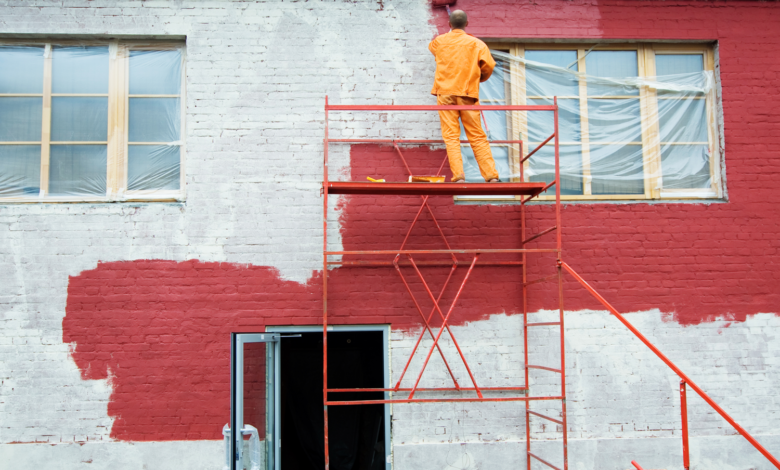
Maintaining the aesthetic appeal and structural integrity of your commercial property is crucial for preserving its value and creating a strong first impression. Over time, however, exterior paint naturally deteriorates due to exposure to weather elements, leading to unsightly wear and tear. Repainting is more than just a cosmetic update—it is an essential measure to protect your property’s exterior and uphold a professional image.
But how do you determine the optimal time for a repaint? Below, we outline key signs that indicate your commercial property may be ready for a fresh coat of paint. Keep reading to learn more!
1. Fading or Discoloration
Fading or discoloration is one of the most noticeable signs that your property needs requires repainting. This issue is especially prevalent in areas exposed to direct sunlight, where UV rays break down paint pigments over time.
Not only does fading reduce your property’s curb appeal, but it also affects how clients, customers, and tenants perceive your business. A vibrant, well-maintained exterior projects reliability and attention to detail, essential traits for any successful business.
2. Chalking Residue
Chalking occurs when the outer layer of paint breaks down into a fine, powdery residue. You can often detect it by running your hand along the walls and noticing a powder left behind. This indicates the paint is losing its protective properties and failing to shield your building from harsh weather.
If left untreated, chalking can lead to further damage from moisture penetration and temperature fluctuations, compromising the building’s exterior integrity.
3. Peeling, Cracking, or Bubbling Paint
Signs like peeling, cracking, or bubbling paint often point to moisture intrusion, improper surface preparation, or paint aging. These issues not only mar your building’s appearance but also expose the structure to water damage and deterioration.
Promptly addressing these symptoms by repainting can prevent costly repairs and preserve your property’s longevity.
4. Visible Mold, Mildew, or Water Stains
The presence of mold, mildew, or water stains usually signals trapped moisture affecting your building’s exterior. While cleaning these stains may temporarily improve appearance, they often indicate deeper issues needing professional evaluation.
After resolving the underlying moisture problem, repainting can restore your property’s look and reinforce protection against future mold or water damage.
5. Outdated Colors or Branding
Your commercial property reflects your brand identity, and outdated or mismatched colors can send the wrong message. If your current paint scheme feels outdated, inconsistent with your brand, or out of sync with contemporary design trends, it might be time for a color update.
Repainting with colors that resonate with your brand and surroundings can refresh your property’s appearance and boost brand recognition.
6. Upcoming Maintenance or Renovations
Scheduling repainting alongside planned maintenance or renovations offers practical advantages. Whether you’re repairing the roof, upgrading fixtures, or installing new signage, coordinating these projects with a fresh paint job creates a cohesive and polished look.
This approach can also save time and reduce costs compared to treating repainting as a separate task.
Maintaining your commercial property’s appearance goes beyond aesthetics—it fosters positive impressions on clients, boosts employee morale, and protects your investment. Whether addressing visible damage, preparing for renovations, or revitalizing your brand image, a fresh coat of paint can make a significant difference.
For top-quality results, consider hiring professional commercial exterior painting services from experts like Rhino Shield of DFW. They use premium materials and industry-best techniques to ensure your property looks its best for years. Additionally, experienced painters provide valuable guidance and peace of mind, making sure your property is handled with care. Remember, a well-maintained building speaks volumes about your business.
Additionally, if you want to learn more about “How Water Damage Restoration Saves Your Property”, be sure to visit our “Small business” category.
Frequently Asked Questions (FAQs)
Generally, commercial buildings should be repainted every 5 to 10 years, depending on climate, paint quality, and exposure to elements.
In some cases, repainting over existing paint is possible if the surface is clean and in good condition. However, peeling, cracking, or bubbling paint often requires removal and proper surface preparation.
High-quality acrylic latex paint is commonly recommended for commercial exteriors due to its durability, weather resistance, and color retention properties.
Look for contractors with extensive experience in commercial projects, strong customer reviews, proper licensing, and insurance. Asking for references and quotes helps ensure you select the right professional.
Yes, a fresh and well-maintained exterior enhances curb appeal, attracts tenants or customers, and can increase overall property value.
For more information on maintaining a professional image for your business, you might want to consult a Certified Public Accountant. Learn when to do so.
For more information on essentials when building a commercial property, check out Beyond the Contractor Essentials.
For more information on essentials when building a commercial property, check out Beyond the Contractor Essentials.