The “Anti-Fragile” Portfolio: Identifying Market Pressure in NSW’s Core Hubs

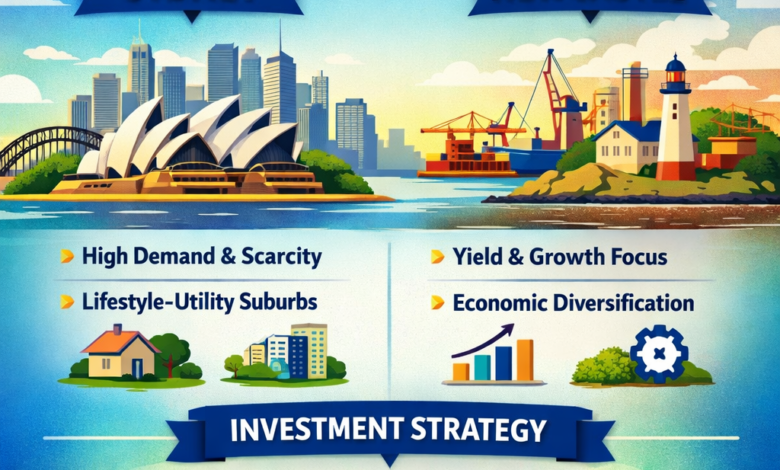
In a fluctuating economy, the average investor looks for “safety,” while the sophisticated investor looks for “pressure.” Market pressure—the unique intersection of low inventory, high buyer demand, and local economic diversification—is what separates a stagnant asset from a high-performer. You might also like Trading Under Pressure.
In New South Wales, two markets currently represent the pinnacle of this pressure-cooker environment, though for very different reasons: the global gateway of Sydney and the industrial-tech hub of Newcastle.
Decoding the Sydney Scarcity
Sydney’s property market is often discussed as a single entity, but it is a mosaic of micro-markets. The current trend is the flight to “lifestyle-utility”—suburbs that offer both high-density amenities and suburban space. Because Sydney’s supply of established houses is functionally captivated by geography, the competition for land is permanent.
Navigating this requires more than an automated valuation; it requires a deep dive into “days on market” (DOM) and auction clearance rates at the suburb level. This is where a Sydney buyer’s agent provides the most value, filtering through the noise to find properties with high “intrinsic land value” that can weather interest rate cycles.
The Newcastle “Yield + Growth” Play
While Sydney is the equity king, Newcastle has emerged as the strategic “yield play” with a capital growth kicker. The city has successfully transitioned from a manufacturing base to a healthcare and education-led economy. This diversification makes it “anti-fragile”it isn’t reliant on a single industry to keep the rental market afloat.
For investors, the challenge in Newcastle is avoiding the “gentrification traps”—areas that look good on paper but lack the infrastructure to sustain long-term growth. Utilizing a buyers agent newcastle ensures that you aren’t just buying based on historical data, but based on forward-looking indicators like building approvals and council-led urban renewal projects.
The Strategy: Data Over Sentiment
To build a resilient portfolio in 2026, investors must move away from “gut feel” and toward a three-pillared data approach:
- Inventory Levels: A balanced market has 3-4 months of stock. Anything under 2 months indicates extreme upward price pressure.
- Rental Tightness: Markets with vacancies under 1.5% offer the best protection against holding costs.
- Local GDP Growth: Look for regions where the local economy is growing faster than the national average.
Building an Anti-Fragile NSW Portfolio
An anti-fragile portfolio thrives under pressure rather than avoiding it. In NSW, this means targeting markets where scarcity, demand, and economic diversity intersect. Sydney offers long-term land-driven resilience, while Newcastle delivers a compelling balance of yield and growth. The key is discipline, data-led decision-making—prioritizing inventory constraints, rental tightness, and forward-looking economic indicators. By focusing on pressure-tested locations instead of sentiment, investors can position their portfolios to perform across market cycles rather than react to them.
Summary
Whether you are scaling up in the nation’s capital of finance or diversifying into the Hunter region’s primary urban center, the goal remains the same: outperforming the average. By focusing on market pressure rather than just “buying a house,” you position yourself to capture growth regardless of broader economic headwinds.