Can You Cheat a Personality Test? The Role of AI in Psychometric Testing and Why Authenticity Still Matters

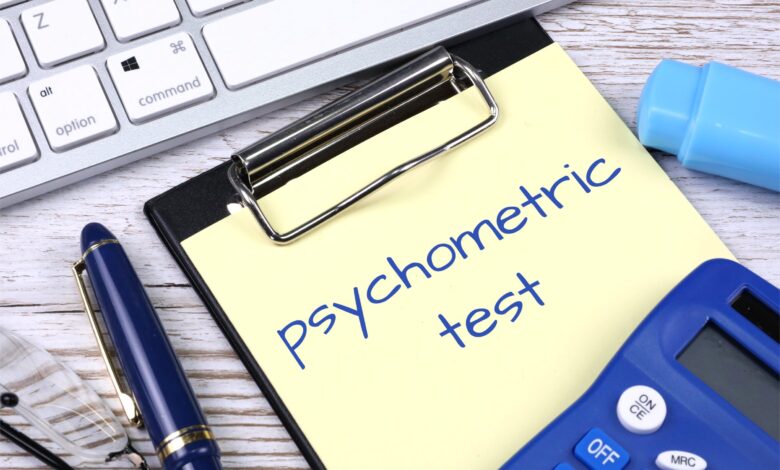
The rise of artificial intelligence in business has triggered debate and excitement in equal measures. From automation and predictive analytics to content generation and chatbots, AI is changing the way we work, communicate, and even hire. But as with any powerful tool, its use raises critical questions, especially in the realm of psychometric testing.
Among those navigating this complex new landscape is Hogan Assessments, a global leader in personality assessments with a long-standing commitment to ethical and scientifically validated evaluation. As Awair in the UK—a certified distributor of Hogan Assessments across the UK, France and Italy—we’re at the forefront of helping organizations understand both the possibilities and the pitfalls of AI when it comes to psychometric testing.
One of the biggest concerns? Can AI be used to cheat?
Why Would Anyone Try to Cheat a Psychometric Test?
Let’s be honest: the desire to game a system is not new. Whether it’s rounding up qualifications on a CV or over-rehearsing interview answers, people have long looked for ways to present themselves in the best possible light. In the digital age, AI tools like ChatGPT and other large language models offer new methods to do just that—especially when it comes to answering personality tests.
Unlike cognitive ability or skills-based tests, personality assessments like those created by Hogan Assessments are designed to explore stable behavioral tendencies, motivations and derailers. These insights are used not just for hiring but also for development, succession planning and leadership effectiveness. Trying to manipulate those results undermines the purpose of the entire process.
At first glance, using an AI model to “optimize” responses might seem like a clever shortcut. But it’s a risky and flawed strategy.
The Problem with AI-Generated Responses
The goal of personality assessment is to capture a nuanced, honest picture of how a person typically behaves, particularly under stress or when they’re not consciously trying to impress. Hogan Assessments has spent over 30 years developing tools that measure characteristics like ambition, interpersonal sensitivity, and emotional stability—traits that don’t come across well in canned, AI-generated responses.
Hogan’s research into this trend is telling. When AI tools were used to complete Hogan’s suite of assessments, the results were not only generic but often easily flagged as artificial. That’s because AI doesn’t have a personality. It doesn’t get stressed, it doesn’t have bad days, and it certainly doesn’t exhibit the complex, sometimes contradictory behaviors that make humans… human.
Moreover, Hogan has developed robust mechanisms to detect inauthentic responses. Their research teams, made up of experienced industrial-organization psychologists, have created algorithms capable of identifying patterns that suggest a person is answering dishonestly or using external aids.
What’s at Stake When You Cheat
The consequences of using AI to cheat on psychometric testing go beyond ethics. If a candidate gets hired based on falsified results, it’s likely to lead to poor job fit, lower performance, and eventually, disengagement or turnover. From an organizational standpoint, this means wasted resources and a potential cultural mismatch.
More importantly, it erodes the trust that sits at the heart of any healthy workplace. For individuals, trying to game a test defeats the personal development value of taking a psychometric assessment in the first place. These tools are meant to highlight areas for growth, playing a crucial role in long-term career success.
Can AI Really Fool a Personality Test?
The short answer is not well. While it is technically possible for someone to copy and paste test questions into an AI tool to generate “better” answers, the results tend to lack authenticity and coherence. Hogan’s internal trials show that AI-generated responses typically fail to mimic the consistency of genuine human answers. This makes them detectable through validation checks and response consistency metrics built into the assessments.
Additionally, Hogan’s assessments are just one piece of the puzzle. Most organizations combine them with structured interviews, behavioral simulations and reference checks. Any discrepancies between how a person presents in a psychometric profile versus how they behave in other formats are likely to raise red flags.
In other words, cheating might get you through one door, but it won’t keep you in the building.
Why Honesty Still Works Best
Ultimately, the most valuable psychometric test is one that’s answered truthfully. Organizations rely on these assessments to make important decisions about hiring, development and succession planning. But individuals also benefit from seeing an accurate reflection of their strengths and risk areas.
Trying to present an idealized version of yourself doesn’t help you land the right role—it helps you land a role that might not be right at all. Authentic results allow organizations to place people where they’re most likely to thrive, leading to better engagement, higher retention and more effective teams.
In fact, Hogan’s suite of tools—including the Hogan Personality Inventory (HPI), Hogan Development Survey (HDS), and Motives, Values, Preferences Inventory (MVPI)are designed to work best when participants are open and honest. That’s how the data remains valid, predictive and actionable.
How Awair Supports Ethical, Effective Assessment
At Awair in the UK, we’re not just distributors of Hogan Assessments—we’re educators, consultants and partners in people development. Through our certified Hogan workshops, we train HR professionals, business leaders and coaches to administer and interpret Hogan reports with accuracy and integrity.
Our approach focuses on embedding psychometric testing into a broader strategy for hiring and development. This includes coaching on how to discuss results with candidates, understanding behavioral implications, and identifying patterns that suggest coaching or development opportunities. We also offer in-house training tailored to organizations looking to improve their internal HR or talent teams.
By investing in proper certification and ethical usage, companies can ensure they are getting the most from these assessments—while also safeguarding against manipulation or misuse.
Embracing AI Without Compromising Integrity
There’s no doubt that AI is transforming the workplace. And when used ethically, it can be a powerful ally—from analyzing data trends to helping employees learn new skills. But when it comes to psychometric testing, the best outcomes still rely on something AI cannot replicate human authenticity.
The solution is not to ban technology, but to build better systems that account for its limitations. Hogan Assessments has already begun that process, evolving its tools to detect dishonesty and maintain scientific validity even in an AI-enabled world.
As AI continues to shape the future of work, the principles that define good hiring and development decisions remain the same: integrity, self-awareness, and a commitment to long-term success over short-term wins.
At Awair, we help organizations uphold those principles by delivering evidence-based psychometric testing and ongoing support. Whether you’re looking to improve your hiring processes, develop your leaders or build safer, more engaged teams, Hogan Assessments—when used correctly—provide the insight and reliability you need.
Interested in learning more about how to use Hogan Assessments effectively?
Explore our upcoming Hogan Certification Workshops or get in touch to discuss in-house training for your organization.