Navigating the Financial Landscape: Essential Strategies for Small Business Success

In today’s fast-paced business environment, small businesses face unique financial challenges that can significantly influence their growth and sustainability. Mastering financial management is essential for these enterprises, as it directly impacts their ability to compete and succeed. This comprehensive guide explores the essentials of financial management for small businesses, offering practical actionable strategies to overcome common obstacles and steer your venture toward long-term prosperity.
The Cornerstone of Success: Effective Financial Management
When small businesses ask How Can I Make My Small Business Successful?, the answer often lies in effective financial management. It’s more than just bookkeeping—it involves understanding the story behind the numbers. Efficient financial management identifies growth opportunities, minimizes risks, and ensures sustainable stability. A critical component is mastering cash flow management, the lifeblood of any small business. Keeping more money coming in than going out, while managing the timing of payments and receipts, is vital for maintaining your business’s financial health and operational continuity.
Understanding Financial Statements: The Business Compass
Grasping the significance of financial statements is fundamental to making informed business decisions. These documents—the income statement, balance sheet, and cash flow statement—serve as your business’s financial compass. The income statement measures profitability, the balance sheet reflects assets and liabilities, and the cash flow statement illustrates how well the business generates cash to cover operational costs and debts. Regular analysis of these reports helps identify financial strengths and exposes potential risks before they escalate, enabling proactive decision-making to improve overall financial health.
Financing Your Venture: Tips for the Fashion Entrepreneur
For a Fashion Entrepreneur, acquiring the right financing is crucial to scaling the brand and expanding market reach. Choosing the appropriate funding source that aligns with your business’s current needs and long-term goals is essential. Options include traditional bank loans, lines of credit, crowdfunding platforms, venture capital, and angel investors. Each funding type has its advantages and considerations. Preparing a comprehensive business plan along with detailed financial projections enhances your credibility and attractiveness to lenders and investors, increasing the likelihood of securing the necessary capital.
Smart Budgeting: Blueprint for Financial Success
Budgeting serves as a strategic blueprint for financial success, guiding revenue targets and expense planning to ensure profitability. Effective budgeting involves setting achievable goals, continuously monitoring performance, and remaining flexible to adapt to changing market conditions. Beyond merely cutting costs, the focus should be on strategic investments that deliver strong returns. Small businesses should prioritize value-driven spending, ensuring every dollar works toward advancing growth and maintaining financial stability.
Expert Advice: Leveraging Professional Insights
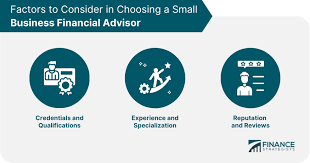
Consulting financial advisors and experienced entrepreneurs can offer invaluable advantages. These professionals provide customized guidance, share best practices, and help navigate complex areas such as tax planning, risk mitigation, and financial forecasting. Collaborating with a trusted financial advisor can significantly improve decision-making and confidence, especially when facing critical financial challenges or planning for business expansion.
Conclusion: Charting the Course to Success
Successfully navigating the financial landscape requires a blend of sound financial management, a strong grasp of financial statements, strategic budgeting, smart financing choices, and expert guidance. For small businesses, mastering these core elements is not only about survival but setting the foundation for sustainable success and growth. By applying these essential strategies, small business owners can build resilient financial frameworks that support their ambitions and accelerate the achievement of their business goals.
Remember, financial success is a journey that demands patience, perseverance, and adaptability. With the right mindset and approach, your small business can not only navigate the ever-changing financial environment but also thrive and flourish.
Frequently Asked Questions (FAQs)
Cash flow management is often considered the most critical, as it ensures that a business has enough liquidity to meet its obligations and seize growth opportunities.
Small businesses should review financial statements monthly or quarterly to stay informed about their financial position and make timely adjustments.
Common options include bank loans, lines of credit, crowdfunding, venture capital, angel investors, and government-backed grants
Budgeting is about strategically allocating resources to maximize return on investment and support business growth, not just minimizing expenses.
Financial advisors bring expertise in tax planning, risk management, and financial forecasting, helping businesses make informed decisions and optimize financial performance.
For more insights on understanding financial statements, check out our guide When Should You Consult a Certified Public Accountant